
Blog
// Market Intelligence · Die Casting
Die Casting in Vietnam: Landscape, Products & Key Vendors
Die casting is one of the most cost-effective processes for producing complex metal components at volume. Vietnam's die casting industry has grown significantly — but capability varies considerably across vendors.
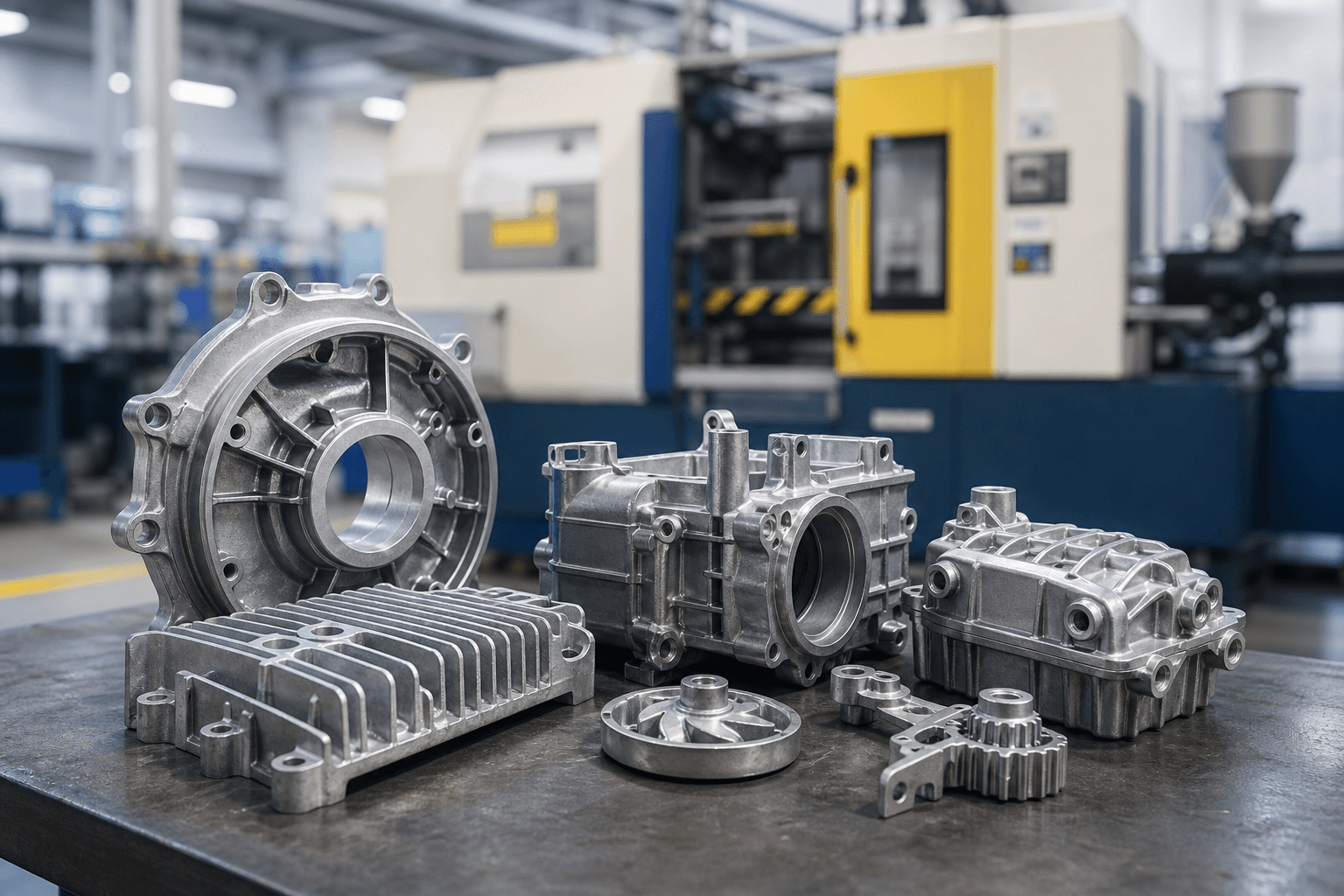
Vietnam has a functioning and growing die casting sector covering both aluminium and zinc alloys. The key is knowing which factories are genuine precision producers, which materials are readily available, and which vendors can support export-quality standards.
// Aluminium vs Zinc
The Two Main Die Casting Alloy Families
Die casting in Vietnam centres on two material families: aluminium alloys and zinc alloys (Zamak). Each has distinct advantages, process requirements, and a different vendor ecosystem in Vietnam.
Aluminium Die Casting
- Common alloys
- ADC12, A380, A360
- Casting temp
- ~650–700°C
- Typical wall
- 1.5–4mm
- Part weight
- Up to ~10kg
- Vietnam supply
- Strong
Zinc (Zamak) Die Casting
- Common grades
- Zamak 3, 5, 7, 2
- Casting temp
- ~385–400°C
- Typical wall
- 0.6–3mm
- Part weight
- Grams to ~2kg
- Vietnam supply
- Zamak 3 ✓ / Zamak 2 limited
// What gets made
Products Made by Die Casting in Vietnam
Aluminium die casting — used where lightweight, strength, and tight tolerances matter:
Aluminium · Automotive
Gearbox housings, transmission cases, oil pans, clutch covers, sensor brackets
Aluminium · Electronics
Heat sinks, motor housings, connector bodies, camera mounts, laptop frames
Aluminium · Powersports
Engine covers, handlebar clamps, footpeg brackets, frame components
Aluminium · Industrial
Pump bodies, valve housings, compressor parts, pneumatic cylinders
Zinc (Zamak) die casting — used where fine detail, thin walls, and surface finish matter:
Zinc / Zamak · Hardware & Locks
Lock bodies, door handles, hinges, cabinet hardware, padlock components
Zinc / Zamak · Consumer Goods
Belt buckles, decorative fittings, zippers, eyewear frames, watch cases
Zinc / Zamak · Electrical
Connector housings, switch bodies, relay frames, shielding enclosures
Zinc / Zamak · Automotive
Carburetor bodies, fuel system fittings, small bracket assemblies
// Material availability guide
Zamak Grades in Vietnam: Know What You Are Specifying
Not all Zamak grades are equal, and not all are available in Vietnam. This matters significantly when writing your specification.
| Grade | Key Property | Vietnam Availability | Notes |
|---|---|---|---|
| Zamak 3 | Balanced properties, most common | Readily available | Default choice for most hardware and consumer applications |
| Zamak 5 | Higher strength, better creep resistance | Available | Used where slightly higher mechanical demands apply |
| Zamak 7 | High fluidity, thin-wall capability | Limited | Fewer vendors stock this; confirm before specifying |
| Zamak 2 | Highest hardness, highest copper content | Scarce | Not stocked by most Vietnamese die casters. Dynacast Binh Minh is the primary option. |
// Design tip
Grade flexibility on the factory floor
Design tip: If your application can tolerate Zamak 3 instead of Zamak 2, your vendor pool in Vietnam increases significantly. Raise this with your engineering team early. The mechanical property difference is real but often not critical for many hardware and consumer applications.
// Who to know
Key Die Casting Vendors in Vietnam
Dynacast Binh Minh
AMA Die Casting
VPIC Group
Akiba Die Casting Vietnam
// Buyer guidance
What to Confirm Before You Send an RFQ
Die casting in Vietnam is mature enough to support most standard aluminium and Zamak 3 applications. Before engaging vendors, confirm three things: your alloy grade and whether it is stocked locally; whether secondary operations (machining, plating, coating) are in-house or outsourced; and what annual volumes you are working toward — tooling cost amortisation becomes significant below 5,000 parts per year.
For zinc applications specifically, always state the Zamak grade explicitly — never just "zinc alloy." The grade determines your vendor pool, and assuming Zamak 3 availability when you have specced Zamak 2 is a common and expensive sourcing mistake.