
Blog
// Lekker's Blog
Vietnam CNC Machining: A Competitive Alternative to China
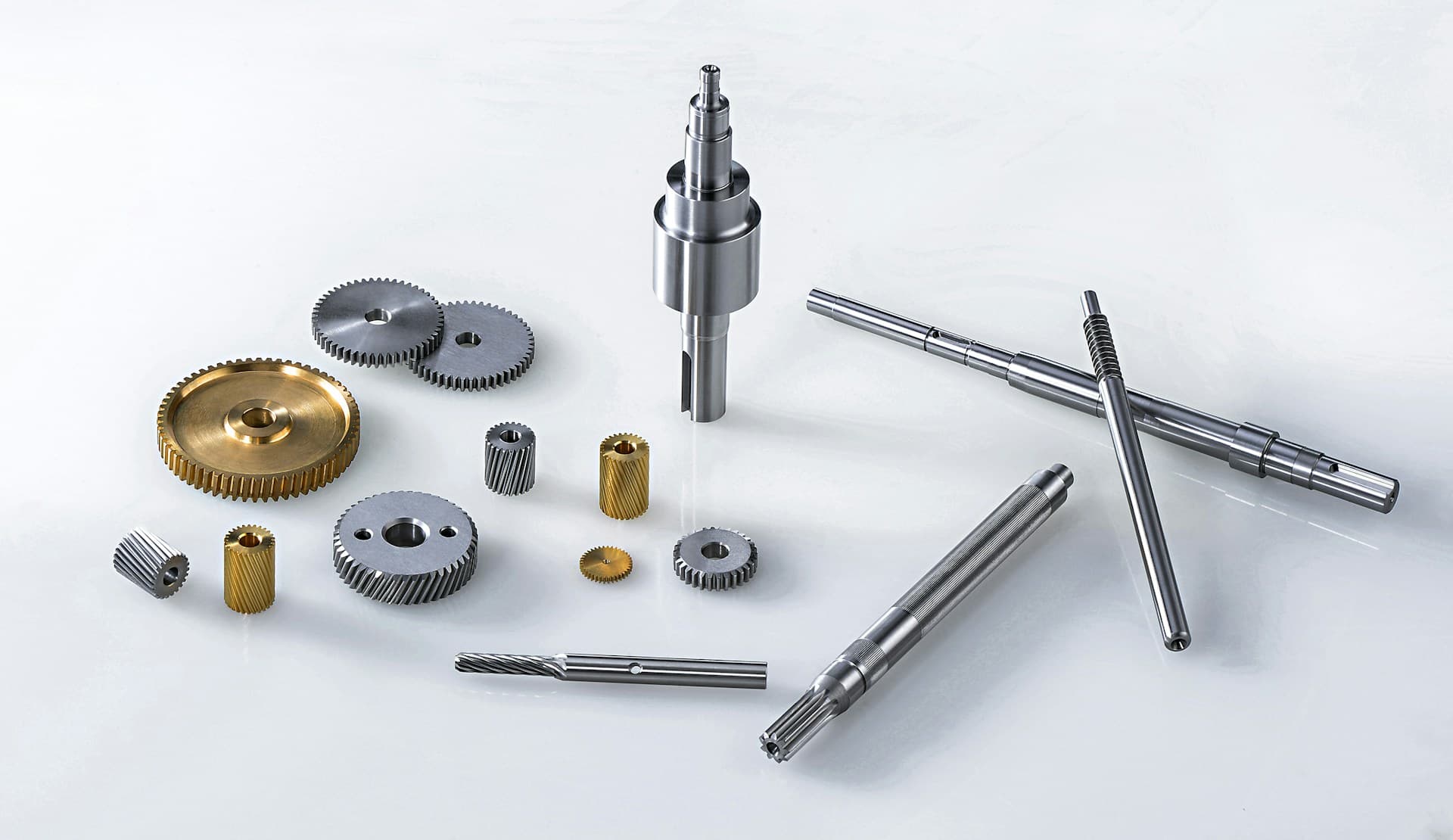
Vietnam CNC machining as a competitive alternative to China
Global sourcing teams already know the pattern: China remains deep for volume machining, but landed cost, lead-time volatility, and concentration risk keep rising. Comparing South East Asia vs China manufacturing costs for CNC work is no longer optional for many industrial buyers. Vietnam will not replace every Chinese CNC line — but for many brackets, fixtures, housings, connectors, and shafts, it is now a credible second source.
The decision is rarely “move everything.” It is “which part families should run in Vietnam first, and what must stay in China until the Vietnam process map is proven.” That framing keeps engineering risk low while still cutting exposure to a single country.
Where Vietnam CNC usually wins
Landed cost sensitivity: When parts are mid-complexity and freight or tariff exposure matters, Vietnam often narrows the gap versus coastal China — especially for buyers already building a China+1 plan.
MOQ flexibility: Many Vietnamese machine shops accept smaller pilot lots than large Chinese OEMs optimized for high volume. Useful when you need early samples, process capability studies, or dual-tooling without a huge first purchase order.
Risk diversification: A second qualified CNC source in Vietnam reduces single-country exposure without abandoning your incumbent China supplier overnight.
Responsive project teams: For mid-sized programs, Vietnamese shops are often more willing to iterate fixtures and workholding with the buyer’s engineer in the loop — provided you visit and lock the control plan.
Where China still leads
Ultra-high volume with dense sub-tier ecosystems — specialty alloys, exotic coatings, or very large 5-axis capacity.
Programs that depend on a mature multi-process campus next door (heat treat, plating, and grinding under one roof) unless you have already mapped Vietnam’s outsourced chain.
Designs that need the absolute lowest piece price at millions of units — run a total-cost model; do not assume Vietnam is always cheaper.
Categories where your approved vendor list and PPAP history are deeply tied to a Chinese plant and requalification cost exceeds diversification benefit for that SKU.
Cost comparison checklist before you switch
Treat the first RFQ as a discovery tool, not a final award. Ask both your China incumbent and Vietnam shortlist the same questions so answers are comparable.
Piece price vs landed cost: include tooling amortization, scrap, freight, duty, packaging, and currency. A lower FOB price can lose after duty and airfreight for late lots.
True process map: what is machined in-house versus plated or heat-treated outside? Late China+1 programs often fail at Tier-2, not at the CNC spindle.
Inspection capability: CMM availability, in-process checks, gauge R&R discipline, and material certificates. Remote video tours miss this.
Capacity at your season: ask for on-time delivery history and what crowded the calendar last peak. Diversification fails if the new shop is already overloaded.
Export experience: packing standards, labeling, Incoterms comfort, and who owns NCR response when parts land out of tolerance.
How to dual-source without chaos
Keep China as primary for the SKU families it already owns. Qualify one Vietnam shop on a bounded part family — similar material, tolerance band, and volume. Run overlapping purchase orders for one or two cycles, then move volume only after on-time delivery and PPM stabilize.
Document the control plan in writing: critical dimensions, sampling frequency, material certs, and who approves deviations. On-the-ground shortlisting and first-lot watching matter more than another remote catalogue review. If you cannot visit, use a local partner who can stand on the floor during the first production days.
Practical Vietnam CNC shortlist filters
Machine list is a filter, not a verdict — ask for recent jobs in your material and tolerance band.
Separate QC from production reporting lines; look for a real CMM room and retained inspection records.
Confirm which processes are outsourced and audit those partners if they touch critical characteristics.
Pilot on non-safety-critical parts first when your industry allows it; expand after measured OTD and quality hold.
Who should shortlist Vietnam CNC now
Buyers of machined brackets, connectors, fixtures, housings, or shafts who need supply-chain diversification — and who can invest in one proper factory qualification — should put Vietnam on the RFQ list this quarter. Teams chasing only the lowest piece price at extreme volume should keep China primary until a Vietnam total-cost model beats it with evidence.
Explore Market Research & Supplier Discovery and OEM & Component Sourcing, or contact info@lekker.com.vn.