
Blog
// Lekker's Blog
How to Find Suppliers in Asia
How to find suppliers in Asia is a search problem, not a loyalty problem. The job is to build a long list of plants that could run your process, in the right countries, with enough export history that later qualification is not a waste. Finding is not qualifying, and it is not auditing. Mix those three and you will drown in WeChat contacts or award the first factory that answered in English.
This is for industrial buyers who need components, assemblies, or materials — not consumer dropshipping. Once the list exists, qualify and audit on purpose.
Use FIND — four steps, in order:
**F** — Fix: Process + country before you search
**I** — Identify: Where names actually come from
**N** — Name: Trader vs plant on the sheet
**D** — Declare: What “found” means — then stop
1. F — Fix: the map before you search
“Asia” is not a vendor category. Write constraints first:
Process: stamping, CNC, injection, casting, harness. One primary process per search. Dual-process plants exist; they are not the default.
Country. China still wins on depth and speed for many categories. Vietnam, Thailand, Malaysia, and India show up for dual-source, tariff, or customer-requirement reasons. Search the process + country you would actually award, not every flag on a map.
Volume and documentation. Prototype, serial, automotive, or industrial export. That changes which directories and shows are worth the fee.
If you cannot name the process and the likely country, you are not ready to find suppliers. You are still specifying the part.
2. I — Identify: places that produce names
Use more than one channel so you are not captive to a single Rolodex.
Referrals from other buyers in the same industry beat directories — if you ask what went wrong, not only who was “nice.”
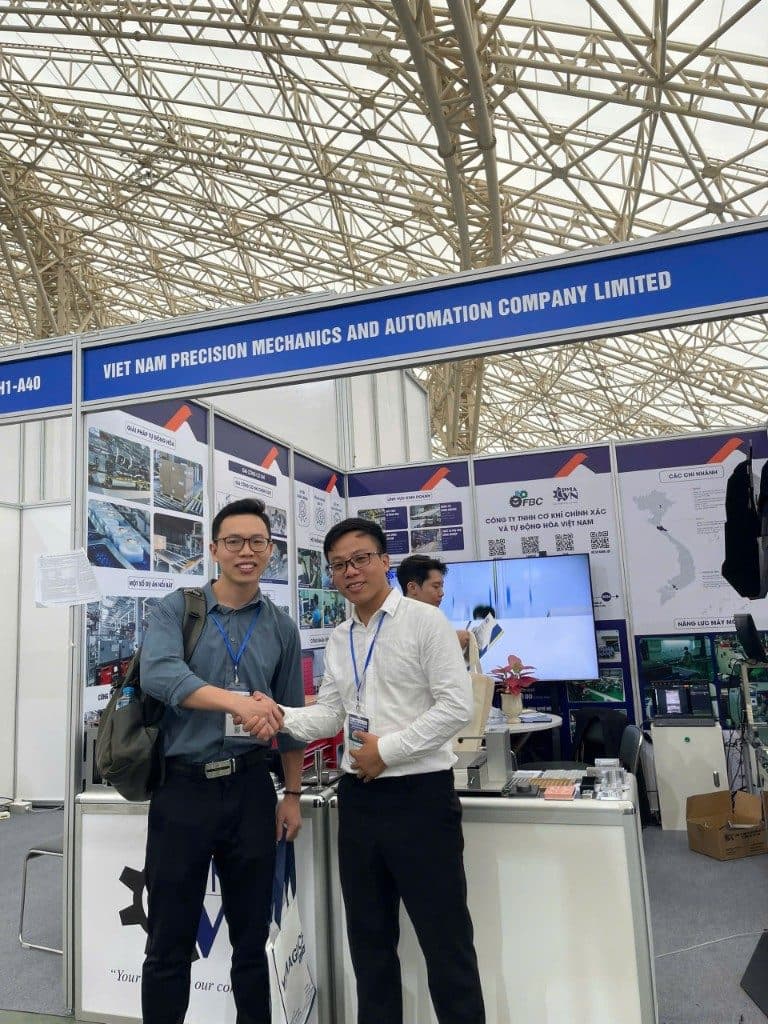
Trade shows (regional manufacturing shows, not generic “sourcing fairs”). Walk with a drawing. Ask who runs the line. Collect cards from production people, not only the booth salesperson.
Specialist directories and association lists (industry associations, cluster maps around known OEM hubs). Better than generic B2B portals. Portals are noisy: traders, duplicate storefronts, plants that last quoted three years ago.
Cluster walking. In Vietnam, electronics-adjacent CNC and sheet metal sit in known corridors; you still need names, not “Bắc Ninh has factories.” Same for Chinese and Thai clusters. A local team that already works those parks beats a week of portal scraping.
Your vendor’s competitors. If one plant already runs a cousin of your part, ask who else in the region does it.
Do not start with the cheapest portal storefront and work backwards. That inverts the funnel.
3. N — Name: how to read a row on the list
For each candidate, capture: legal name, city, claimed processes, export markets, size if stated, and how you found them (so you can weight the source later).
Flag immediately:
Trader vs factory. A trading company can be a valid finder. It is not a factory until they name the plant and you can verify it.
Process drift. “We do metal and plastic and electronics” usually means they buy. Narrow specialists are easier to qualify later.
English-only competence. A polished website with no machine photos from their floor is a marketing site.
Aim for five to twelve plausible names per process, not fifty. A bloated list delays qualification and makes every plant feel interchangeable.
4. D — Declare: what “found” means
A supplier is found when you have a reachable commercial contact, a process match you believe, and a reason they might have capacity. You do not yet have a qualified source.
Stop the find phase when you have enough names to run a desktop scorecard, and adding more names only repeats the same cluster.
Then qualify. Finding more factories to avoid a decision is a different failure mode.
Don’t
Search “OEM in Asia” with no process — you will get agents, not lines.
Treat Vietnam-only or China-only as the whole map when your customer asked for dual source.
Pay for samples from ten plants you have not desktop-filtered.
Let one well-spoken trader become the entire supply base.
If you have no one who can take a drawing into parks, speak the shop-floor language, and tell a trader from a plant, the find step is Market Research & Supplier Discovery. Lekker’s job there is a shortlist with first-hand notes — not a PDF of website URLs. Do not buy an audit to compensate for a lazy search.