
Blog
// Lekker's Blog
How to Conduct a Factory Audit in Asia
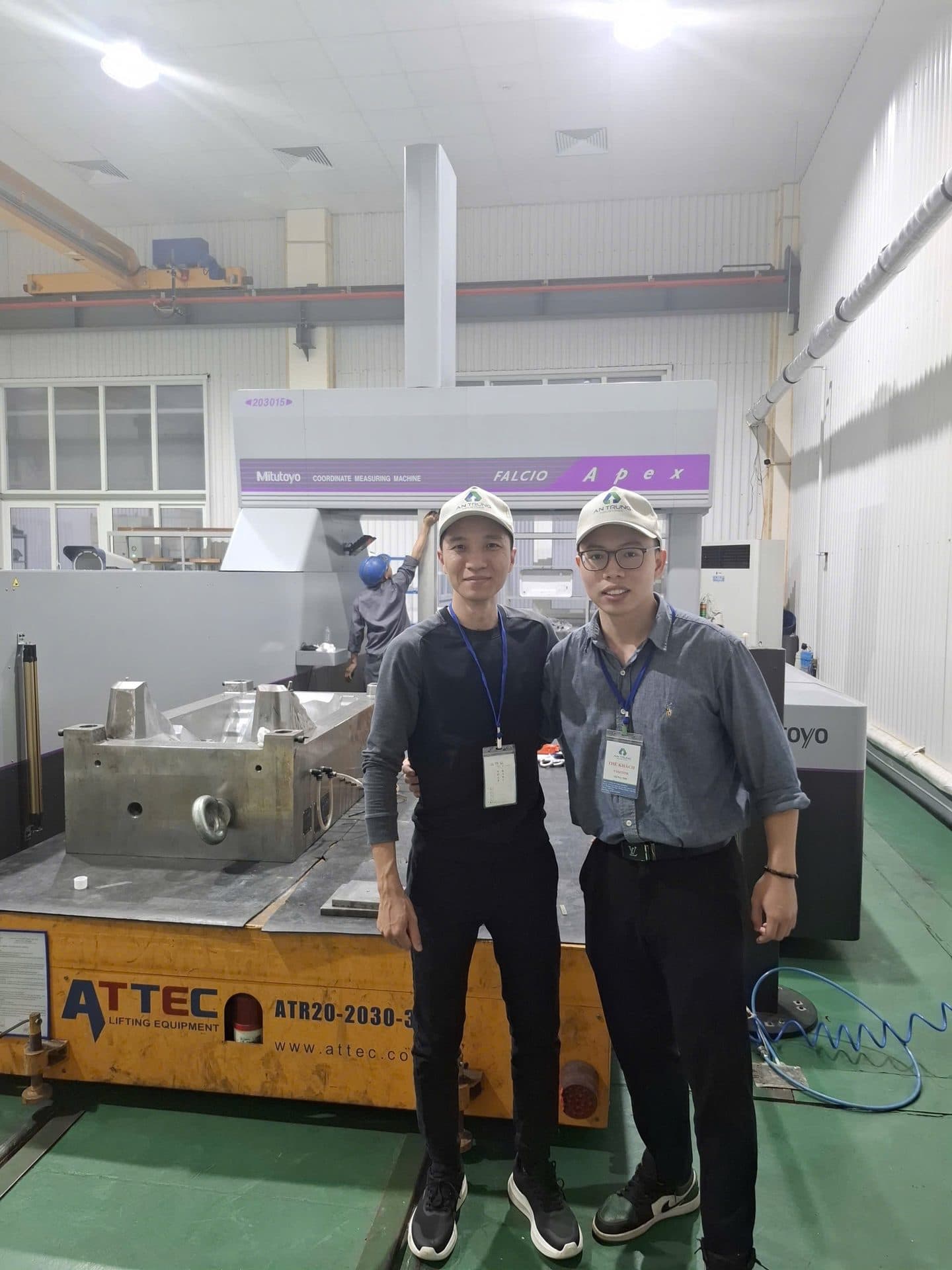
A factory audit in Asia is not a walkthrough with a camera and an ISO photocopy. For industrial buyers, it is a structured check that the plant can hold your specification, volume, and delivery window — not only that it exists. Certificates, WhatsApp videos, and a polished showroom are the starting filter. The audit is how you decide whether to tool up.
This guide is for procurement and SQE teams who already have a shortlist and need an on-site verdict. If you are still building that list, find and qualify first; do not audit ten plants you would never award.
Use SCORE — five steps, in order:
S — Set: What this visit must decide
C — Collect: Desktop proof before you fly
O — Observe: Walk the route of the part
R — Rank: One scorecard for every plant
E — End: Write the call within 48 hours
1. S — Set: what the audit must decide
Write the pass/fail questions before you book flights:
Can this plant run your process (not a cousin of it) at the quoted capacity?
Is QC independent of production, with calibrated equipment and records you can trace?
Which steps are outsourced (plate, heat treat, grind, pack), and are those vendors named?
What happens when a lot fails — rework, scrap, or “we will discuss”?
If the visit cannot answer those, you had a tour, not an audit. Vietnam, China, Thailand, and Malaysia all produce credible OEM plants and weak ones in the same park. Geography is not the verdict.
2. C — Collect: desktop work before you arrive
An audit burns the plant’s time and yours. Do this remotely first:
Scope. Drawing revision, annual volume, materials, surface finish, critical dimensions. Send it in writing.
Machine and process list vs your BOM. Which operations are in-house? If grinding or plating is “partner,” that is a second audit.
Certificates as claims. ISO 9001 / IATF are useful. Ask for the scope statement and the last surveillance date. A certificate that covers trading, not manufacturing, is a red flag.
Sample vs production. Photos or video of the line that would run your part, not the sample room.
Skip plants that cannot name equipment brands, cannot show a recent CMM report, or refuse a production-area walk. That filter is cheaper than a wasted day.
3. O — Observe: the shop floor
Walk the route of the part: incoming material → process → in-process check → final inspection → packing.
Incoming. Material certs on file? Incoming inspection or “we trust the mill”? Lot traceability matters when a claim arrives six months later.
Process. Work instructions at the station, or only in the office? Watch one operator for ten minutes. Unattended CNC with no in-process check is a different risk than a cell with first-article and patrol inspection.
Metrology. A CMM that is actually used (booked, not dusty). Last calibration sticker and a report for a part like yours. “We can hold ±0.01 mm” without a method is a quote, not a capability.
People. Who stops the line? If only the owner can reject a lot, quality will fold under delivery pressure.
Vietnam plants we visit often look strong on equipment lists and weaker on independent QC and outsourced-process control. That pattern shows up across Asia. For a CNC-specific version, see how to qualify a CNC vendor in Vietnam.
4. R — Rank: one scorecard for every plant
Use the same weights on every shortlist plant: process fit, QC independence, capacity headroom, export packing, technical communication, and commercial honesty (MOQ, tooling ownership, who pays for gauges).
Do not average a brilliant showroom with a weak finishing vendor. Score the constraint process. If plating is outsourced and unvisited, the audit is incomplete.
Record photos against the scorecard items (with the plant’s permission). Memory after four factories in a week is not evidence.
5. E — End: write the call
Send a summary within 48 hours: pass / conditional / fail, open points, and what a pilot lot must prove. Conditional is normal — extra gauges, a plating vendor visit, a capability study on the first 30 pieces.
If you cannot staff that follow-up from your own SQE bench, OEM & Component Sourcing is the Lekker path that includes on-site verification, not only a report in a shared drive.
A factory audit in Asia is expensive next to an email RFQ. It is cheap next to a tool that cannot run or a vendor who disappears at peak season. Run SCORE: set the questions, collect desktop proof, observe the line, rank the constraint, end in writing.