
Blog
// Lekker's Blog
Metal Cabinet OEM Sourcing: What to Check
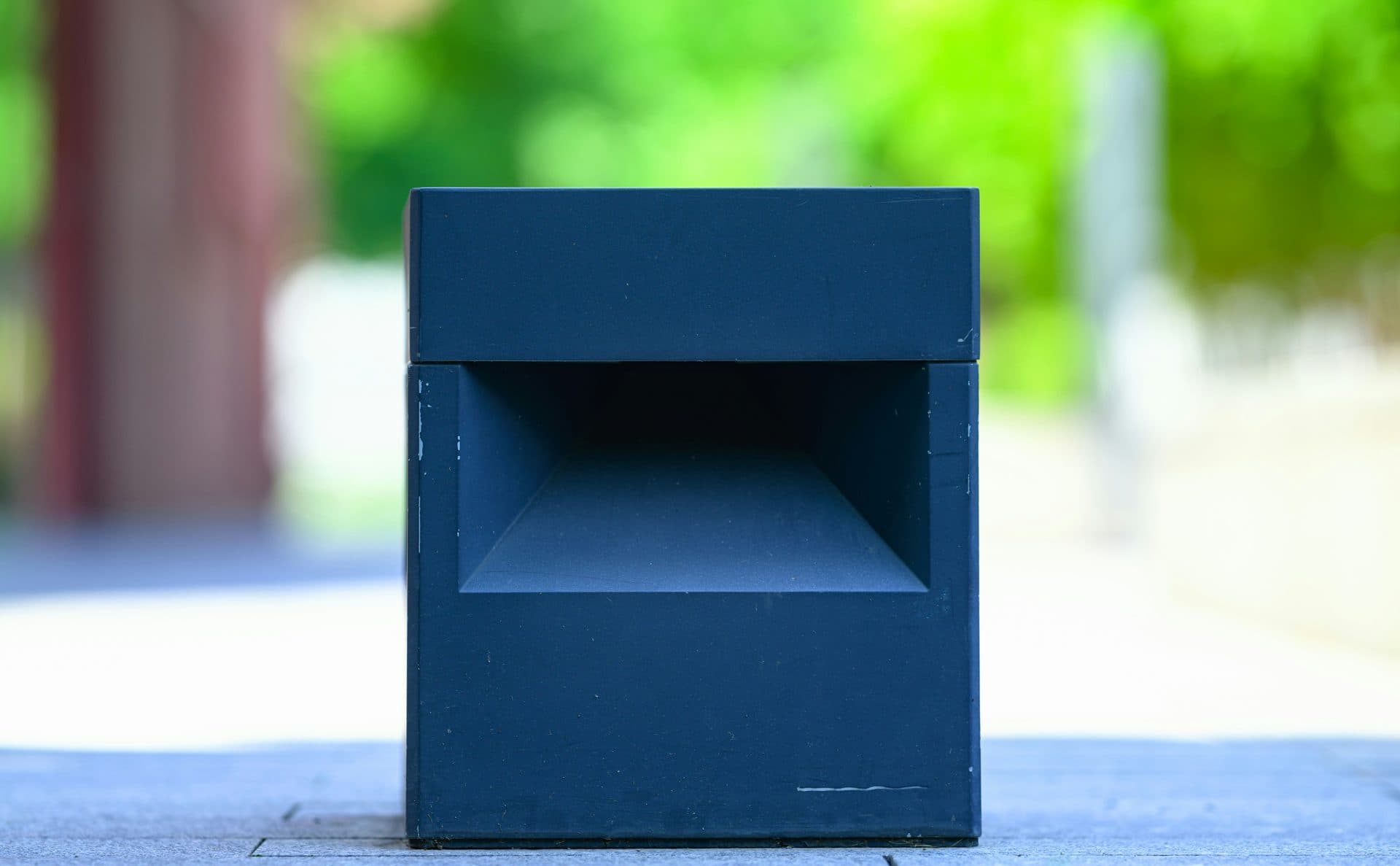
Metal cabinet OEM sourcing is not a small-bracket RFQ with larger dimensions. Cabinets and toolboxes combine flat patterns, doors, hinges, locks, shelves, weld or rivet structure, and finish that must survive export and field use. Buyers who only price “sheet metal box” discover door gaps, dented skins, and finish failure after the first container — when change cost is highest.
This guide is for procurement teams sourcing industrial cabinets, toolboxes, and related enclosures as OEM programs in Asia. Vietnam landscape context sits on cabinets & toolboxes and metal enclosures — use those as capability proof, not as awards. Build the quote package with sheet metal RFQ Asia; shortlist and visit with qualify and factory audit.
1. Define the product family, not “a cabinet”
Write the constraint clearly before RFQs go out:
Free-standing toolbox vs wall / machine cabinet vs electrical enclosure style
Load: shelf rating, caster loads, stacked shipping
Access: doors, drawers, removable panels, gasketed openings
Hardware: hinges, locks, gas struts, handles — buyer-specified or fab standard
Environment: indoor shop, outdoor, chemical exposure, IP / dust expectations if on the print
A plant strong on thin cosmetic covers may be weak on heavy welded carcasses. Do not shortlist on “we do enclosures” alone. Ask for a route sheet for your size and gauge family.
2. Drawing and BOM discipline for doors and fit
Cabinet programs fail on fit more than on blank size:
Door / frame gap and flatness callouts (and which face is cosmetic)
Hinge and lock locations with datum scheme
Shelf / divider hole patterns and adjustability
Weld vs rivet / clinch strategy — and grind / fill rules if painted
Internal grounding studs, cable entry, and mounting footprints
Send native 3D plus 2D with revision control. If your BOM mixes fab parts and bought hardware, list OEM part numbers for locks and hinges — Asia fabs will substitute cheap hardware unless you forbid it. Material and thickness per panel belong in the BOM, not in a single “steel” note on page one.
3. Weld, fixture, and finish as one system
Score the plant on the constraint process:
Structure — Weld process, fixture for square carcass, distortion control
Doors — Dedicated door fixtures or repeatable hang method
Finish — Powder / paint / galv — in-house or named finisher
Sequence — Hardware before or after finish; masking plan
Cosmetics — Orange-peel / run criteria on visible faces
Powder after poor weld prep shows every grind mark. Ask whether large panels are finished flat or after assembly — both can work; mixing without a plan does not. If finish leaves the building, treat the coater as a second supplier and plan to visit or audit them when cosmetics are CTQ.
4. Sample, FAI, and packing for freight reality
Cabinets are freight-damage magnets. Before volume:
Sample or first article: door close/open, lock function, shelf fit, square check
Dimensional report on critical openings and mounting points
Finish adhesion / thickness method if the print requires it — do not invent lab claims; ask what they actually run
Packing: corner protection, moisture barrier, skid or crate, stacking limit, marking
“Export standard” packing is not a specification. Dent claims erase a low unit price. Align Incoterms and claim photos with packing rules in the PO — not after the first damaged lot.
5. Commercial checks before you award the carcass tool
Ask in writing:
Soft tool / weld fixture ownership and transfer rights
Lead time from approved FAI vs from blank PO
MOQ and nesting for large panels (scrap rates matter)
Revision cost when door cutouts change after fixtures exist
Spare parts / aftermarket panel policy if you sell replacements
Compare quotes on the same revision, same hardware list, and same finish route. A low carcass price that excludes locks, powder, and packing materials is not cheaper. After shortlist, walk weld fixtures and packing — not only the laser.
When cabinets and toolboxes need on-site OEM verification across Asia, OEM & Component Sourcing keeps metal cabinet OEM sourcing tied to fit, finish, and freight — not only a spreadsheet cell.
Metal cabinet OEM sourcing is a fit-and-finish program: clear product family, door/BOM discipline, weld-finish sequence, FAI plus real packing, then commercial ownership of fixtures. Skip packing and door fit and you have bought a box that fails at the dock or in the field.