
Blog
// Lekker's Blog
Tube Laser Fabrication Sourcing: Capability Gaps
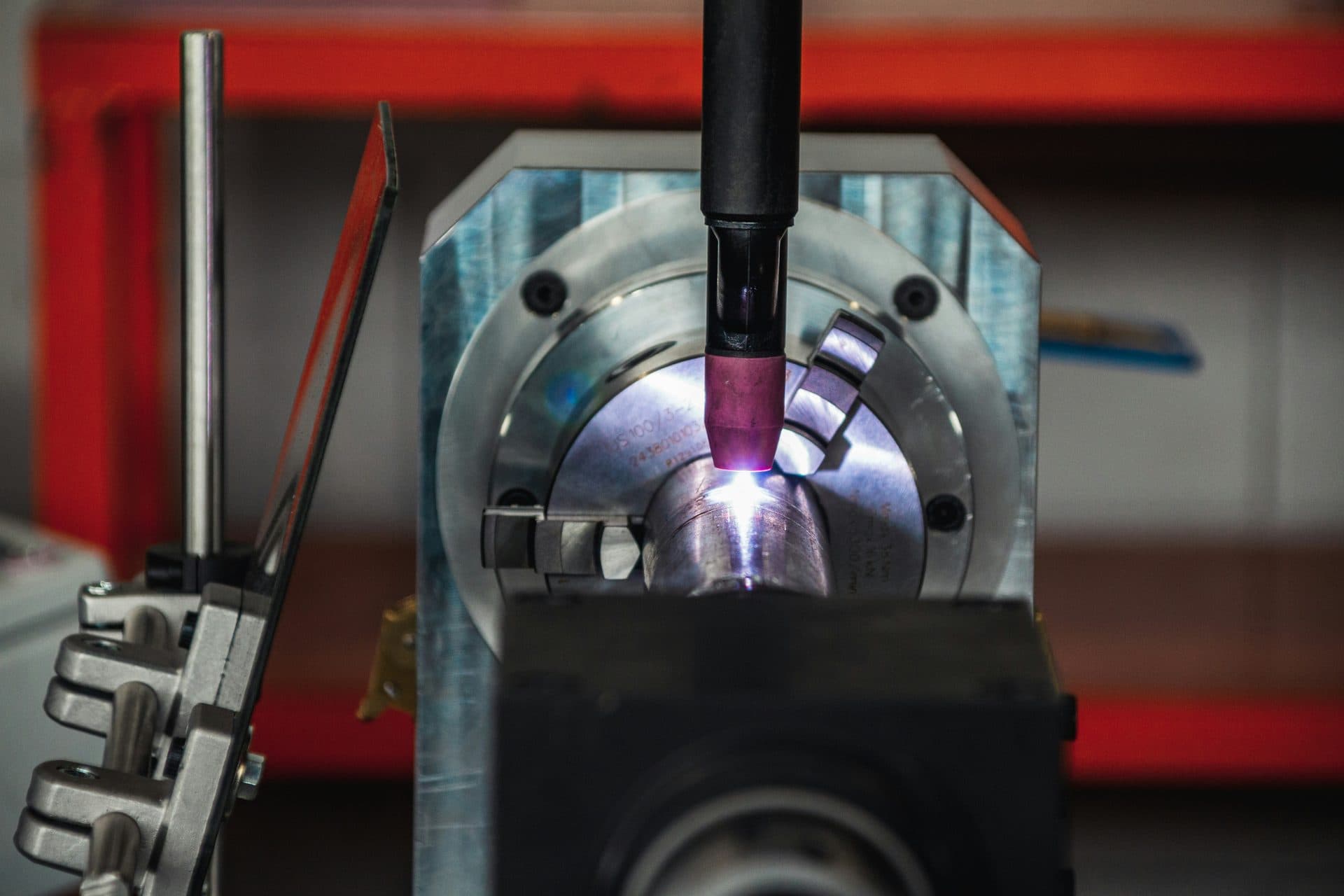
Tube laser fabrication sourcing fails when buyers treat a flat-sheet laser fab as a tube plant. Pipe and tube programs need nesting for round / square / rectangular sections, chuck or bundle loading, seam orientation, bend and weld after cut, and packing that protects long parts. A strong plate laser with no tube cell will still say “yes” to a STEP file — then outsource or struggle on first article.
This guide is for buyers sourcing laser-cut tube and pipe fabrications — frames, guards, racks, machine structures, and welded tube assemblies — in Asia. Pair RFQ habits with sheet metal RFQ Asia when mixed plate + tube BOMs exist. Qualify and visit with how to qualify Asia suppliers and factory audit in Asia. Vietnam fab notes on the site are landscape proof for metal capacity; verify tube equipment on the floor for your section sizes.
1. Separate tube laser from plate laser in the shortlist
Ask, then verify:
Max tube length, OD / square size, and wall thickness the machine actually cuts
Round, square, rectangular, open profiles — which they run regularly
Automatic load / unload vs manual — capacity honesty for your volume
Software / nesting ownership for your revision changes
In-house tube laser vs “we have a partner”
Do not invent bed sizes or brand lists in your report — photograph nameplates or record documented specs. A plant brochure that shows only flat sheet lasers is a capability gap, not a maybe.
2. Map the full route: cut is not the product
Most tube programs are cut-plus:
Cut — Kerf, hole quality, fishmouth / cope accuracy
Deburr / end prep — Consistency on weld prep faces
Bend — Mandrel vs crush; springback; ovality
Weld — Fit-up fixtures; weld access after laser features
Machine — Secondary CNC on critical faces / holes
Finish — Galv, powder, paint — sequence vs plugged holes
Ask for a route sheet for your assembly. A beautiful laser sample with hand-fit miters and no production fixture is not the volume route. If bending is outsourced, treat the bender as a second supplier when bend CTQs dominate.
3. Drawing package that tube fabs can price honestly
Send what pricing needs:
3D + 2D with revision; which file wins
Tube specification: grade, size, wall, seam (ERW vs other) if it matters
Cut feature callouts: slots, fishmouths, tabs, etch marks for bend/weld
Weld map and fixture concept if the assembly is structural
Tolerance strategy: which dims are cut-controlled vs weld-controlled
Finish and hole-plug / mask rules
“Cut tube to length and weld somehow” produces incompatible quotes. State annual volume and typical lot size — nesting and remnant policy change price on long sections.
4. Sample and FAI against assembly CTQs
Approve what you will buy at volume:
Production tube grade and size (or labeled temporary stock)
Same bend and weld sequence as the quoted route
Fit check in your mating assembly or gauge when critical
Dimensional report on hole patterns relative to tube datums — not only overall length
Packing trial for long parts: bow, scratch, moisture
Long tube fabrications fail in transit as often as they fail on the CMM. Specify supports, wrap, and max stack. Vague “export packing” is how bowed frames arrive.
5. Commercial questions that expose capability gaps
Before award:
Who owns fixtures and bend tooling?
Lead time from approved FAI vs from blank PO
Remnant / scrap policy and scrap credit assumptions
Revision cost when hole patterns move after fixtures exist
Named finish partner and whether finish is in unit price
Compare quotes only when the route is identical. A low laser-cut price that omits bend, weld, powder, and crate is incomplete. Walk the tube laser cell, bend area, and weld fixtures — if the tour stays in the flat-sheet hall, you found the gap.
When tube and pipe fabrications need OEM verification across Asia, OEM & Component Sourcing keeps tube laser fabrication sourcing on real equipment and full routes — not a flat-sheet plant stretching into pipe.
Tube laser fabrication sourcing is a capability-gap hunt: confirm tube equipment, map cut-bend-weld-finish, send a tube-ready drawing pack, FAI the assembly route, and compare full commercials. Skip the tube-cell check and you have bought plate-laser optimism.