
Blog
// Lekker's Blog
Welding Quality Audit Asia: Buyer Checks On-Site
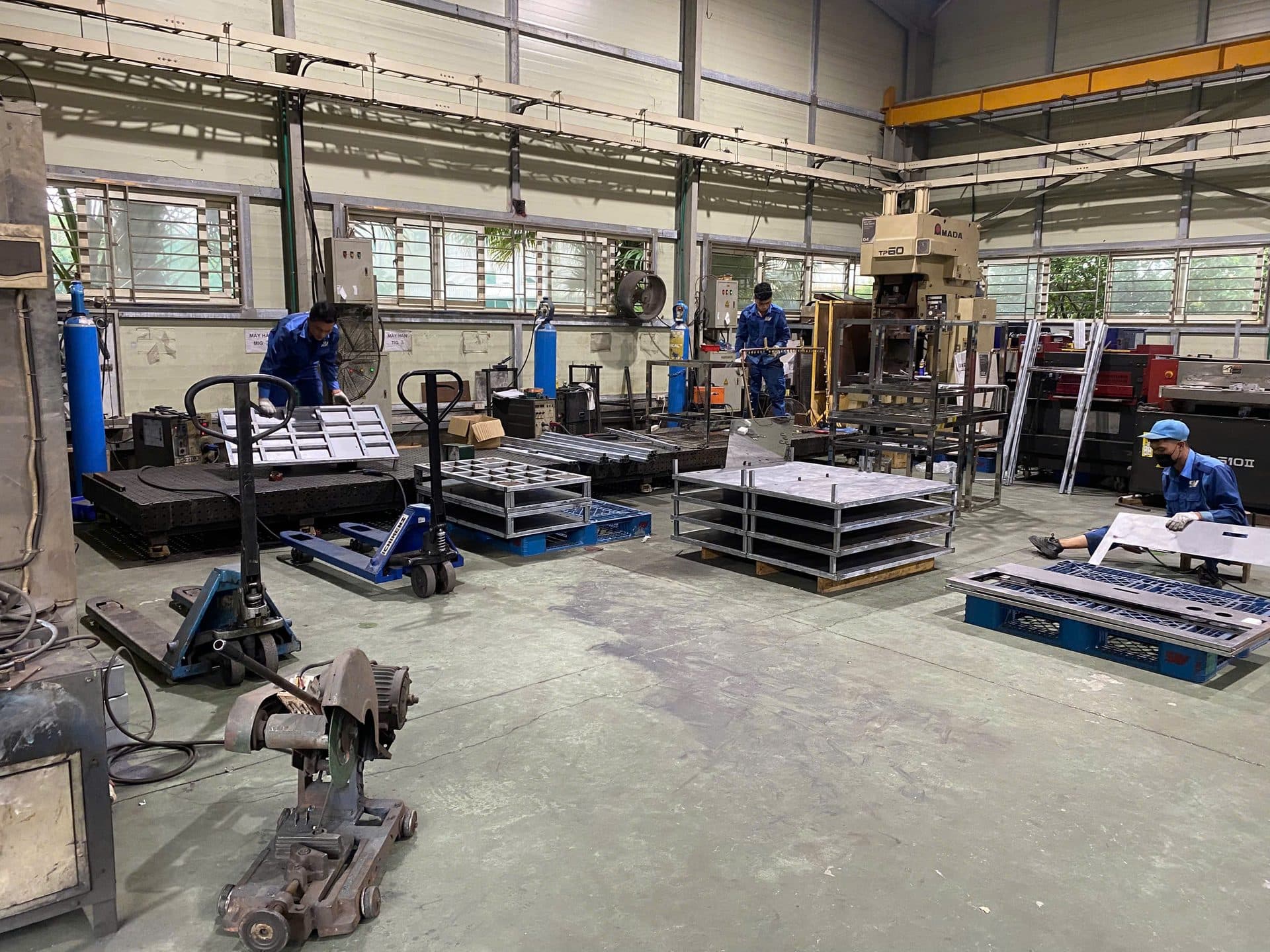
A welding quality audit Asia visit is not a gallery of neat beads. For buyers of frames, brackets, enclosures, and structural fabrications, it is an on-site check that the plant can hold joint design, distortion, and repeatability under production pressure — not only that someone can weld a sample.
This guide is for procurement and SQE teams who already have a fab shortlist and need weld-specific evidence before pilot. For the full plant visit framework, see how to conduct a factory audit in Asia. If you are still building the list, qualify Asia suppliers first.
1. Scope the joints before you walk
Send the drawing package and joint callouts in writing before the visit:
Process (MIG, TIG, spot, stud) and material thickness range
Critical welds vs non-critical (cosmetic, sealing, structural)
Distortion limits, flatness, and post-weld machining notes
Any required WPS / PQR / welder qualification language in the PO
If the plant cannot map your joints to a process and fixture plan, you are not ready for volume quotes. Vietnam and China both have strong and weak fab cells in the same park — geography is not the verdict.
2. Documents at the bay, not only in the office
Ask for what lives at the station:
WPS / parameter sheet for joints like yours (or a qualification plan before pilot)
Filler and gas identification that matches the WPS
Welder ID and qualification records for the people who would run your lot
Visual / NDT criteria posted or available to inspectors
A binder in the quality office that operators never see is a paper system. Watch whether the sheet on the fixture matches what the operator is running. Change filler or gas without a written update is a red flag for automotive and other controlled work — and a risk for any buyer who needs repeatable strength.
3. Fit-up, fixtures, and distortion control
Most weld failures start before the arc.
Locator scheme vs drawing datums; gap control and clamp plan
Tack sequence and distortion plan for long frames or thin sheet
Post-weld straighten / press / heat — when used, is it controlled or “make it fit”?
First-piece check after fixture change or shift start
Ask who owns weld fixtures and gauges. Plant-owned fixtures without drawings leave you stuck if you dual-source later. Buyer-owned fixtures with shared gauges make comparison lots possible.
4. In-process and final weld QC
Walk what happens after the bead:
Patrol visual frequency and rejection authority (operator vs independent QC)
Measurement of critical dimensions after weld, not only on blanks
NDT (dye penetrant, UT, etc.) only where your callout requires it — but confirm capability and records if it does
Traceability: lot, welder, date on the part or traveler
Cosmetic samples do not prove production. Prefer a production cell running a similar part over a sample room demonstration. Photograph (with permission) fixture, parameter sheet, and a failed-part disposition board if one exists.
5. Finish and packing after weld
Weld quality dies in the coater or the crate.
Spatter, slag, and grind standard before powder / galv / paint — written, not verbal
Who inspects after finish for burn-through marks, distortion, and coating over weld defects
Packing: edge protection, rust preventative, nesting so frames do not twist in transit
If finishing is outsourced, name the vendor and plan a visit. An anonymous plater after a careful weld bay is still an incomplete audit.
6. Score weld as the constraint, write the call
Weight process fit, fixture control, QC independence, finish handoff, and packing. Do not average a strong laser cut with a weak weld cell.
Pass / conditional / fail within 48 hours: open points might be WPS qualification, extra gauges, or a finish vendor walk. Conditional is normal.
If you cannot staff weld-focused SQE across Asia sites, OEM & Component Sourcing is the Lekker path that keeps fabrication awards tied to shop-floor weld evidence — not only a price and a photo of a bead.
A welding quality audit in Asia is joint-led: scope the weld, check documents at the bay, prove fit-up and distortion control, verify QC and finish handoff, then write the call. Skip the bay walk and you bought a sample, not a process.