
Blog
// Lekker's Blog
Aluminium Extrusion Supplier Audit in Asia
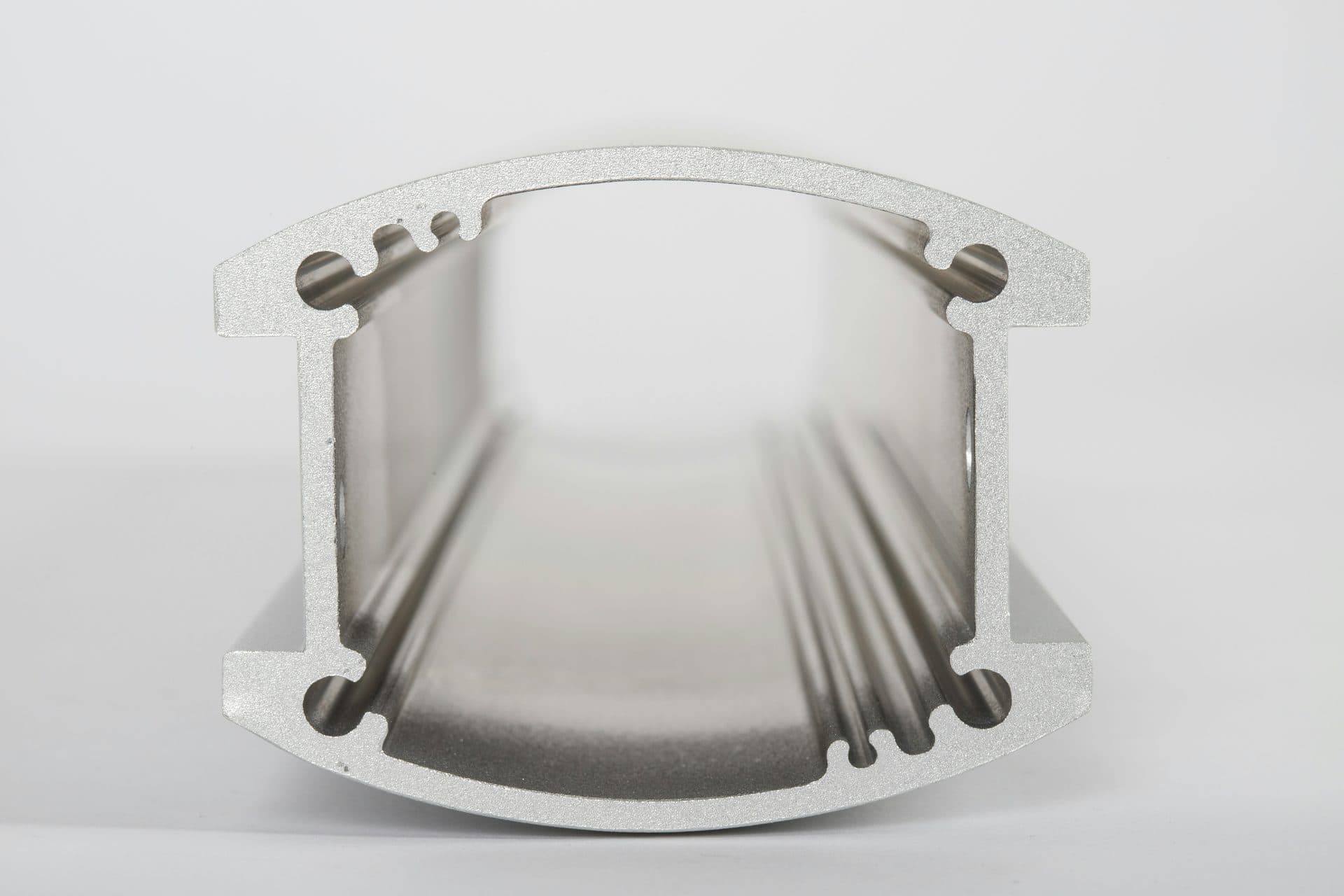
An aluminium extrusion supplier audit in Asia fails when the team only runs a general plant scorecard. Profiles live or die on press fit, die condition, aging, dimensional method, and the finish route — including anodize or powder that leaves the building. This post is the extrusion shop-floor checklist. For visit structure (set questions, desktop, score, write the call), use how to conduct a factory audit in Asia. Use this one with the profile drawing and alloy callout open on the floor.
This is for procurement and SQE teams auditing an extruder before die money or volume. Alloy availability in Vietnam is covered in what materials can be aluminium extruded in Vietnam. Die cost and minimums are a separate job in aluminium extrusion MOQ in Vietnam. If you still need a shortlist, find and qualify first.
1. Press and billet: can they run your profile?
Ask how this section would run — not what the brochure lists as press tonnage.
Envelope: press size vs your profile circumscribing circle, wall thickness, and hollow vs solid.
Alloy and temper on the PO vs what the furnace and aging ovens actually run.
Billet origin and homogenizing practice; mill certs on incoming, not “we trust the trader.”
Which press would take your die on a normal week — name it, walk it, watch a similar job if you can.
A plant that “has extrusion” but cannot show a press in your envelope is a development gamble. Do not invent tonnage; verify on the floor or with a recent job card for a cousin profile.
2. Die shop and die state
Extrusion quality starts in the die, not at packing.
In-house die correction vs a named tool shop — and whether you can visit that shop later.
How they store, log, and re-nitrid or correct buyer dies (or a similar program if yours is not cut yet).
Who owns the die after payment, where it lives, and what happens if you dual-source.
Sample vs production: same die, same press class, not a cousin tool “close enough.”
If the die is plant-owned with no transfer clause, treat the program as single-source even if the quote looks flexible. Write ownership before deposit; the commercial form is as important as the steel.
3. Stretch, age, cut: the process after the press
Walk the route of the bar, not only the press mouth.
Stretching / straightening capacity for your length and wall.
Aging ovens: load, temperature records, and whether T5/T6 (or your specified temper) is actually controlled.
Cut-to-length method and how they hold end-cut and twist on long bars.
In-process checks at stretch and age — or only a final look at packing.
Unattended aging with no records is a different risk than a cell with logged cycles and a hold for out-of-temper lots. Photograph (with permission) a recent aging chart for a similar alloy.
4. Dimensions: method before claims
Ask how your critical dimensions will be checked.
Match gauges, optical, or CMM points to the drawing (wall, gap, twist, flatness, hole pattern after punch if that is in-house).
See a recent report for a profile like yours (same alloy family and tolerance band), not a showpiece heatsink.
First-article and patrol inspection written for the press and stretch cell that would run your SKU.
“We can hold tight walls” without a method, frequency, and who rejects a lot is a quote. If only the owner can stop a dimensional drift, quality will fold under ship-date pressure.
5. Finish route: anodize, powder, machine — named or not
Anodize, powder, mill finish, and any punch/machine loop change both appearance and fit.
Which finishes are on-site vs named outside vendors?
Can you visit the coater later, or is the name blocked?
Incoming check after finish: thickness, color, adhesion — who does them, on what sample size?
If they mill or punch after extrude, is that cell in-house and fixtured to your datums?
A beautiful press with an anonymous anodizer is an incomplete extrusion audit. Score the constraint finish the same way you score the press. Refuse “partner will handle it” without a name.
6. Packing, then write the call
Profiles dent, twist, and pick up water stain in export packing.
Length protection, interleave, and rust/water rules for mill finish vs coated bar.
Label and lot / heat / die ID that survive a claim six months later.
Packing photos from a recent export lot — not a mockup.
Weight press fit, die ownership, aging control, dimensional method, finish route, and packing. Do not average a strong press hall with a weak coater.
Send pass / conditional / fail within 48 hours with open points: die ownership language, aging records, finish vendor visit, capability on first bars. Conditional is normal.
If your team cannot staff that floor work across countries, OEM & Component Sourcing is the Lekker path that ties the extrusion checklist to on-site verification — not only a certificate pack in email.
An aluminium extrusion supplier audit in Asia is a drawing-led walk of press, die, age, check, and finish. Run it after the general audit framework, not instead of it — and do not cut a production die until the constraint process and its owners are named.