
Blog
// Lekker's Blog
Trader vs Metal Factory in Asia: How to Tell
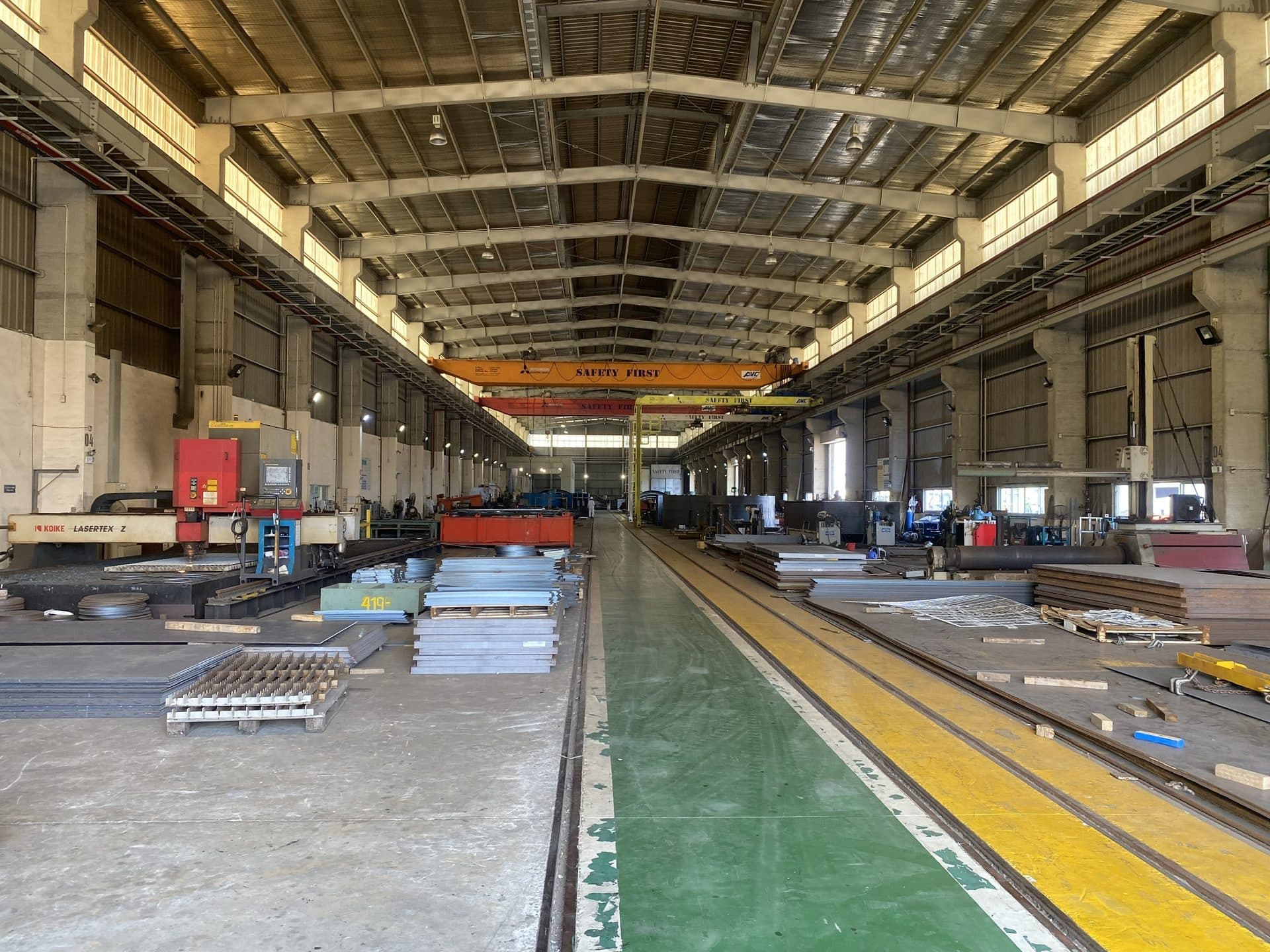
Many “factories” that reply to a metal RFQ in Asia are trading companies with a showroom, a WeChat catalog, and three subcontractors. That is not automatically fraud — traders can be useful for multi-process kits — but you must know which risk you are buying. Paying factory prices for trader opacity is how drawings leak, finishes drift, and nobody owns a late lot.
This guide is for buyers sourcing sheet metal, CNC, casting, and welded assemblies. It extends how to find suppliers in Asia and how to qualify Asia suppliers. Vietnam visit posts (CNC, sheet metal fab) show what a real shop floor looks like; use them as a visual baseline, not as a vendor award.
1. Why it matters for metal
Metal programs depend on process control: material certs, weld procedures, brake setup sheets, CMM programs. A trader who shops every PO to the lowest fab resets that control. When a dimensional claim lands six months later, you need a plant name, a lot, and a metrology trail — not a forwarder.
2. Desktop signals (before you fly)
Business scope on certificate — More like a factory: Manufacturing / fabrication · More like a trader: Trading / import-export only
Website / deck — More like a factory: Named processes, machine brands, plant photos with chips and fixtures · More like a trader: Stock photos, “one-stop,” every process under the sun
Address — More like a factory: Industrial park, gate photos match map · More like a trader: CBD office, “factory visit by appointment” only
Quote — More like a factory: Asks for revision, weld map, finish route · More like a trader: Instant price, no process questions
Capacity story — More like a factory: Machine hours, shift pattern, current load · More like a trader: “Unlimited capacity,” many unrelated industries
None of these alone convict. A real fab can have a sales office in the city. Stack three or four trader signals and treat the account as a middleman until proven otherwise.
3. Shop-floor signals (when you visit)
Walk the route of your part:
Can they show the laser / brake / mill / press that would run your job — powered, tooled, not a museum corner?
Are work instructions and travelers at the station?
Is QC a separate room with used gauges, or a dusty CMM “for customers”?
When you ask who plates or powders, do they walk you to a partner — or say “our team handles finish” with no line?
If the “plant tour” is a conference room, a sample shelf, and a van ride that never enters production, you met a trader. For a structured visit, use how to conduct a factory audit in Asia.
4. Quote and contract tells
Unit price changes when you ask for mill certs or named finish vendors.
They refuse to name the manufacturing entity on the invoice / packing list.
Tooling is “included” but ownership language is missing.
Every unusual process (grind, heat treat, anodize) is “in-house” with no equipment to match.
Ask in writing: legal manufacturing entity, plant address for this PO, and which steps are subcontracted. Factories that make the part can answer. Traders often stall or rename the answer each email.
5. When a trader is still acceptable
Keep a trading house on the list when:
You need a kitted metal + hardware + pack program and one commercial face
They disclose the fab list and allow you to audit the constraint plant
Your contract still points quality liability and lot traceability to named sites
Do not use a trader as a way to skip qualification. Qualify the constraint factory the same way you would a direct OEM.
6. Practical rule for shortlists
Label every candidate: Factory / Trader / Hybrid. Only Factory and disclosed Hybrid enter dual-source plans for critical metal parts. Undisclosed traders stay on the long list for non-critical or until they open the door.
Market Research & Supplier Discovery is how Lekker builds that labeled shortlist. For award and on-site proof on metal OEMs, pair it with OEM & Component Sourcing.
Trader vs metal factory is a risk label, not an insult. Name it early, verify on the floor, and only then decide who gets the drawing.