
Blog
// Lekker's Blog
How to Set Up a Supply Chain in Asia
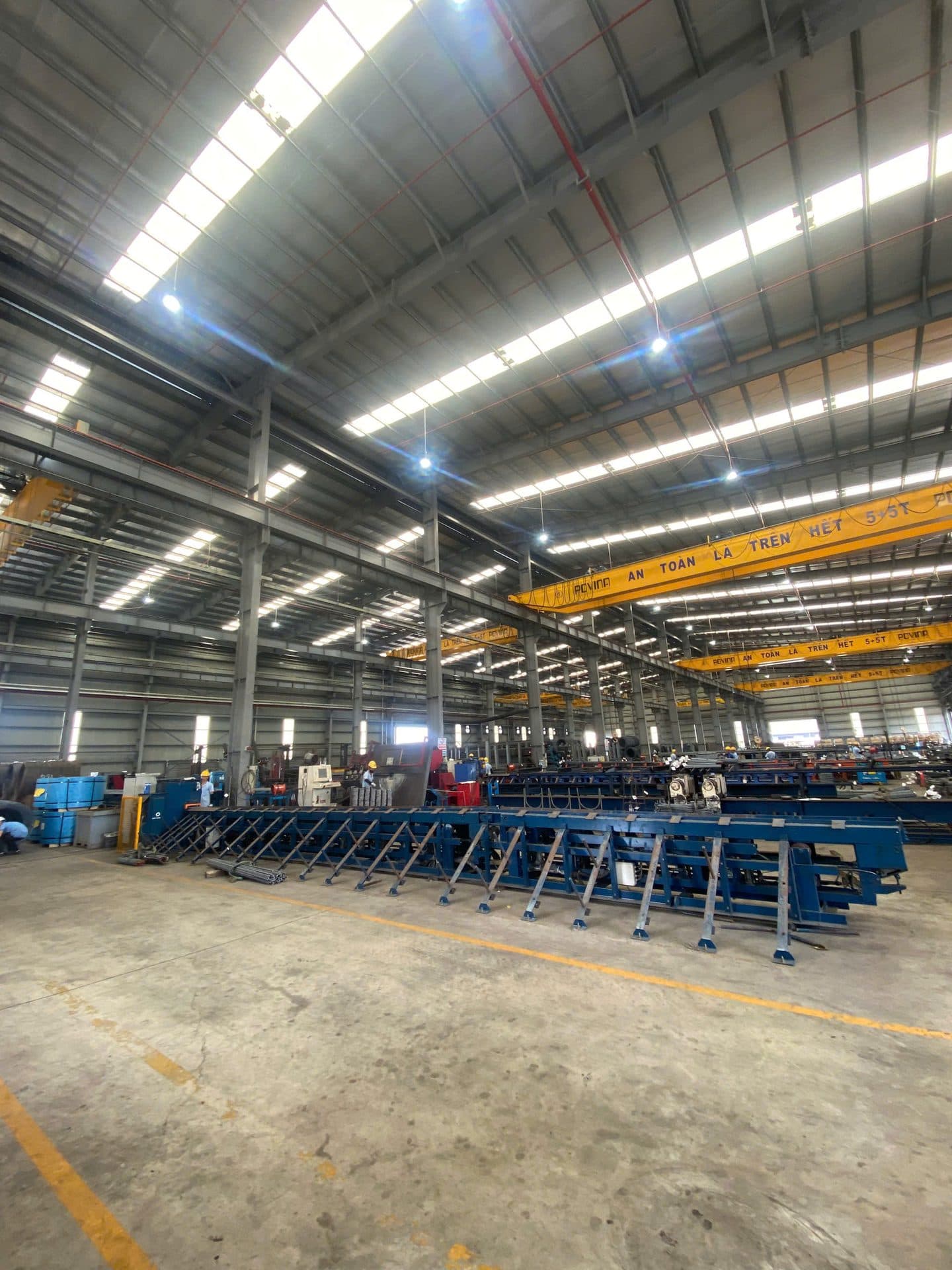
Knowing how to set up a supply chain in Asia is the ops layer after you can find and qualify plants. For industrial buyers of metal products — sheet metal, CNC machined parts, castings, weldments, and finish routes — “set up” means naming who owns each step, which documents travel with the PO, and how a pilot lot becomes a repeatable volume path.
This guide assumes you already have a shortlist. If you do not, start with how to find suppliers in Asia and how to qualify Asia suppliers. Diversification and dual-source programs are separate jobs; here the question is simpler: build one working metal chain from drawing to dock.
1. Define the metal scope and process map
Write the part families before you write Incoterms.
Sheet / fab: laser or punch → brake → weld → powder or wet coat
CNC: mill/turn → deburr → heat treat or plate if called out
Cast: tooling → pour → machine → finish
Map in-house vs outsourced finishes. A plant that lasers and brakes but farms plating will still work if you name the finishing vendor and who inspects after plate. Blind “full service” claims without a route sheet are not a supply chain — they are a hope.
Start with a boring, high-repeat family (brackets, simple CNC, stable weldments). Leave single-source dies, unreleased drawings, and exotic finishes until the chain proves itself on something you can measure weekly.
Exit criteria for setup: which SKUs go first, target MOQ, lead-time floor, and whether fixtures stay buyer-owned.
2. Assign roles on both sides
Asia metal chains fail when everyone assumes someone else owns packing or ECNs.
Commercial — Buyer side: Buyer / planner · Supplier side: Sales + planner
Technical — Buyer side: Engineer / SQE · Supplier side: Process engineer
Quality — Buyer side: SQE / incoming QC · Supplier side: IQC + FAI owner
Logistics — Buyer side: Import / 3PL · Supplier side: Export packing lead
Name one revision owner on your side and one on theirs. If five people can email drawing changes, you will get mixed lots. Agree meeting cadence early: a short weekly ops call beats a monthly dump of surprises. For shop-floor proof before you lock volume, use the same rigor as a factory audit in Asia.
3. Lock the document pack
A working Asia metal supply chain needs documents that survive the first busy month:
Controlled drawing + BOM revision (and who may release the next one)
Material certs and finish specs that match the PO line
Process / control plan for the constraint step (weld, CNC datum, casting alloy)
Packing standard: rust protection, nesting, label fields, carton marks
Commercial: Incoterms, payment triggers, change-order lead time
RFQs that omit tolerance stacks and finish sequence get polite quotes that fail in production. Build the pack once; reuse it for every new SKU in the family. Store the approved pack where planners and SQE both open the same files — not in a personal inbox thread that dies when someone leaves.
4. Run a pilot that stresses the constraint
Samples from a showroom do not prove a chain. Run a pilot lot that hits the hard process:
Sheet: weld + powder, not only flat blanks
CNC: critical datums and any secondary finish
Cast: first-article dimensions after machine, not as-cast photos
Compare pilot parts to your drawing with the same CMM points you will use at incoming. Check packing as hard as dimensions: moisture, scratch, wrong labels, and mixed SKUs in one carton are dock failures, not “small issues.” Hold the primary or backup path live until two clean shipments clear your dock.
Lekker’s Market Research & Supplier Discovery work sits upstream of this step — shortlist and process fit — so the pilot is not your first contact with the plant.
5. Cut over to volume with switch rules
Setup is incomplete until you write:
When volume moves from pilot to steady PO
What delay, scrap rate, or packing failure triggers pause
How capacity is reserved (calendar slots, not verbal “we can do”)
Who updates the scorecard after each lot
Keep communication on one channel for PO and one for engineering; mixing WhatsApp free-text with uncontrolled PDF revisions is how metal lots drift. After cutover, re-check capacity when the plant wins a large new program — your slot on the weld booth or coating line can vanish without a formal rejection of your PO.
Setting up a metal supply chain in Asia is roles, documents, and a stressed pilot — then volume under written switch rules. Skip the map or the pilot and you have a quote relationship, not a chain.