
Blog
// Lekker's Blog
Industrial RFQ for Metal in Asia
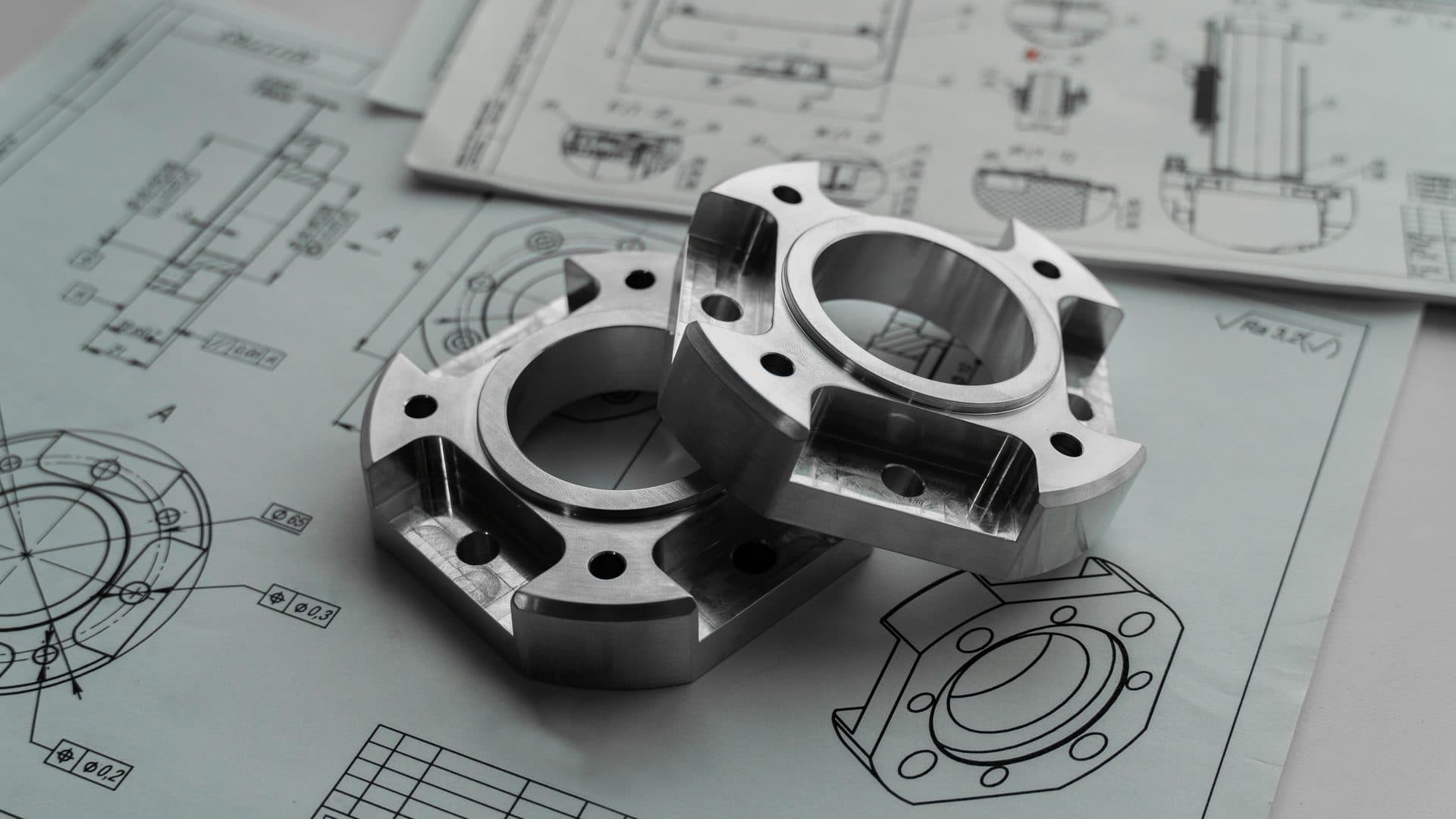
An industrial RFQ metal Asia package is what lets a fab quote from your drawing instead of from hope. For buyers of CNC parts, weldments, machined castings, and multi-process metal assemblies, a thin RFQ produces three problems: padded prices, silent assumptions, and samples that do not match production intent.
This post is for procurement and engineering who send Asia metal RFQs beyond a single sheet-metal blank. Sheet-bend and enclosure packs have their own checklist elsewhere; here the scope is broader industrial metal — tolerance stacks, process sequence, and what must be explicit so quotes are comparable across fab, CNC, and cast-and-machine bidders.
If you still need plants to send the RFQ to, use how to find suppliers in Asia and how to qualify Asia suppliers first.
1. Lead with revision-controlled drawings and BOM
Send:
Latest drawing revision and a clear “supersedes” note
BOM with material grade, thickness or stock size, and hardware
3D model when features are hard to read from 2D alone — mark it reference or master so the plant knows which wins
Ambiguous revision = mixed quotes. State whether the model or the 2D print owns critical dimensions. If two files disagree, the bidder will pick the easier one. Attach a one-line revision history on the RFQ cover sheet so sales does not quote last month’s PDF from a chat archive.
2. Publish the tolerance stack, not only boxed notes
Asia metal fabs quote differently when they see:
Datum scheme and which faces are functional
Which dimensions are inspection-critical vs reference
Fit to mating parts (pin, shaft, enclosure gap) written as a stack, not only ±0.1 everywhere
Blanket tight tolerances on every edge raise price and scrap without improving fit. Mark GD&T intentionally. If a hole pattern only needs clearance, say so. If a sealing face needs flatness, put it on the print where CMM will hit it. Call out which balloons require CMM vs gauge so the quote includes real inspection time.
3. Name the process route in the RFQ text
Do not assume the bidder will invent the same route you have in mind.
Primary process (fab / CNC / cast + machine) — Wrong plant type bids
Weld process / class if structural — Distortion and NDT assumptions
Heat treat / plate / powder sequence — Cost and lead time live here
In-house vs allowed subcontract — Who owns finish quality
A quote that ignores plating thickness or powder under film will look cheap until first article. Ask bidders to return a one-page route sheet with their price. If two quotes differ by 20% with no route difference, one of them is incomplete — ask before you award on price alone.
4. Specify materials, certs, and substitutions
State:
Allowed grades and standards (and whether equivalents need written approval)
Mill cert / CoC expectations per lot
Forbidden substitutions (e.g. no mystery “same as 304”)
Metal RFQs that say “SS or equivalent” invite creative chemistry. Be boring and explicit. If heat number traceability is required for weldments or pressure-adjacent parts, say so on the RFQ — do not add it after award when the plant already mixed stock.
5. Define sample, FAI, and packing up front
Honest Asia quotes need commercial gates:
Sample qty and whether it is production-intent (same route, not hand-filed)
FAI / ISIR expectation and which balloons matter
Packing: rust prevention, nesting, labels, mixed-SKU rules
Incoterms, payment triggers, MOQ, and lead time from approved FAI
If your team will audit before award, say so and point to the same evidence you would use in a factory audit in Asia. Lekker’s Market Research & Supplier Discovery helps you land the RFQ on fab-capable shortlists — not on traders who re-quote without process ownership.
6. Score replies the same way
Build a simple scorecard before opens: route completeness, process fit, lead time realism, questions asked about your stack, and export packing language. The bidder who asks smart GD&T questions often beats the one who returns a single number overnight. Share the scorecard with engineering so commercial pressure cannot override a missing route sheet.
A strong industrial metal RFQ for Asia makes the drawing, stack, route, and gates impossible to misread. Incomplete packs do not get “competitive Asia pricing” — they get noise.