
Blog
// Lekker's Blog
Metal Stamping Sourcing Asia: Buyer Checks
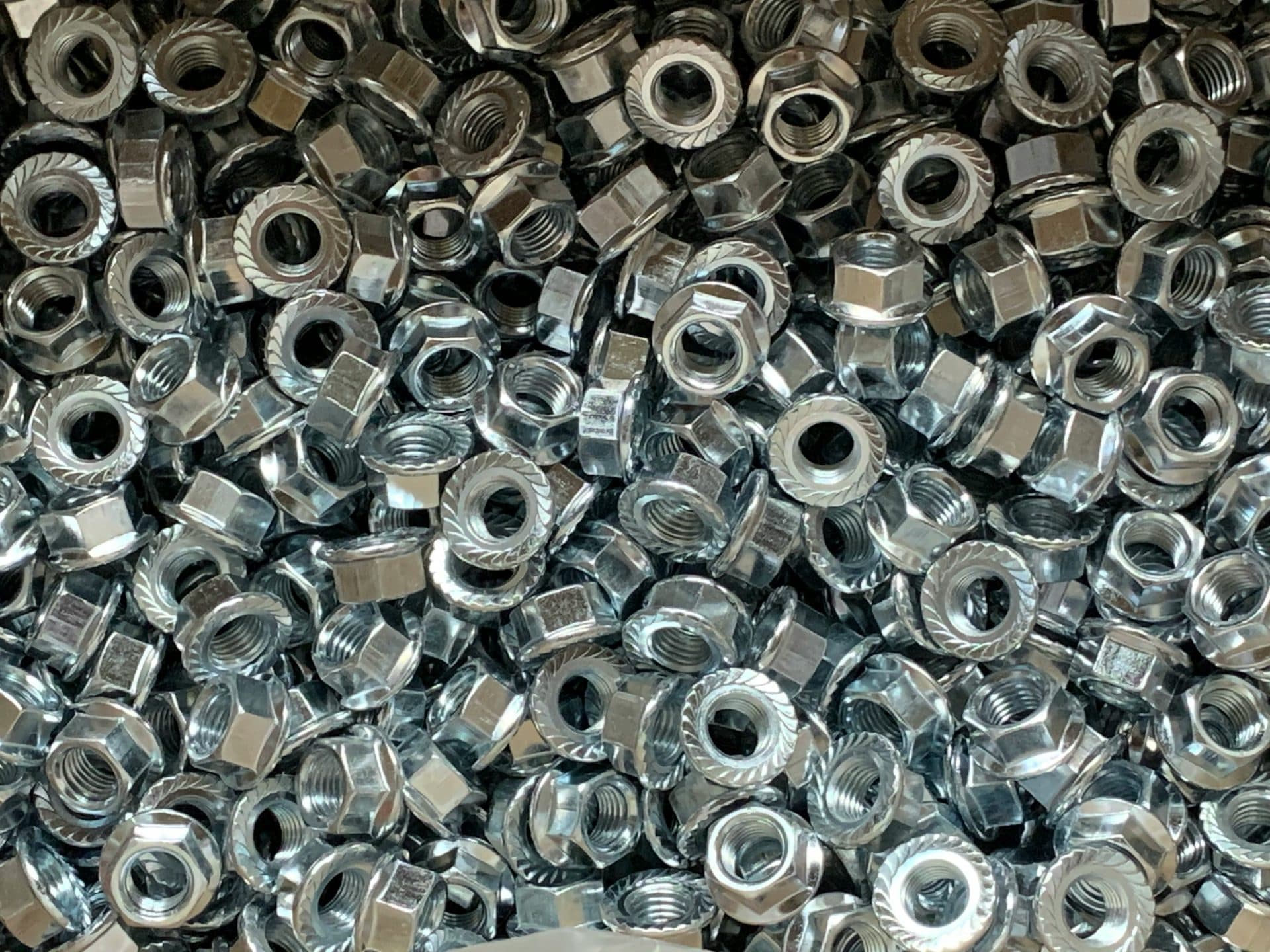
Metal stamping sourcing Asia is a tooling decision dressed up as a piece-price quote. Progressive and transfer dies lock you to press size, coil width, scrap plan, and secondary ops. Buyers who award on unit cost alone often discover the plant cannot run their tonnage, cannot hold flatness after form, or cannot transfer the die if the relationship ends.
This guide is for procurement and engineering teams sourcing stamped brackets, clips, covers, and progressive-die parts in Asia (China, Vietnam, Thailand, Malaysia, and peers). It is distinct from laser-brake fab RFQs — see sheet metal RFQ Asia when blanking without a hard die is enough. Shortlist and visit with find, qualify, and factory audit.
1. Confirm stamping is the right process
Before you RFQ dies:
Annual volume and life justify hard tooling vs laser / punch + form
Geometry needs progressive features (pilots, forms, taps in-die) or simple blank/pierce
Thickness and material grade fit common coil availability in the target country
Tolerance stack is realistic for stamped process capability — not CNC-only CTQs forced onto a die
If volume is low and revisions frequent, a fab route may be safer until the print freezes. Do not force progressive tooling on a part that will change three times in six months.
2. Press, coil, and die-shop fit
Ask for evidence, then verify on site when it matters:
Tonnage and bed size — Your part projected area and form load
Stroke / speed class — Throughput vs quoted capacity
Coil width / straightener — Feed for your blank nest
Die build in-house vs partner — Lead time, IP, change control
Spare die / spare insert policy — Volume continuity
Do not invent machine counts in your notes — record what you see or what documents show. A trader with a photo of a press is not a stamper. Prefer plants that can walk you through a similar progressive strip for complexity class near yours.
3. Tooling ownership before steel is cut
Write commercial rules early:
Who pays for design, die, tryout, and first articles?
Who owns the die, strip layout IP, and spare inserts?
Transfer rights if you exit, dual-source, or move countries
Who pays for engineering changes after buy-off?
Storage, maintenance, and insurance responsibilities
If the plant owns the die with no transfer clause, treat the program as single-source even when the brochure says “OEM partnership.” Same honesty as other Asia OEM tooling — ownership is part of qualification, not a handshake after tryout.
4. Sample, tryout, and production-intent route
Stamping samples lie when the route changes:
Soft tool / prototype vs production progressive — label which you are approving
Material: production grade and thickness, or documented temporary substitute
Secondary ops: deburr, tap, plate, heat treat — named and sequenced
Measurement: CTQs on the strip and on the finished part after springback
Approve tryout parts against the control plan you will use at volume. Cosmetic hand-finished samples that skip plating teach little. If plating or heat treat is outsourced, name the vendor and plan audit rights when those steps sit on CTQs.
5. QC, packing, and commercial compare
Before volume PO:
In-die sensing / poke-yoke expectations if your risk needs them
First-piece and in-process checks; how they quarantine bad coils
Burr and flatness criteria in writing
Export packing for sharp stamped edges and nesting
Quote compare: same revision, same finish, same scrap assumption, same packaging
Ask how they handle coil certs and heat numbers if your claim window spans months. After shortlist, walk the press for your tonnage class and the die shop or partner — not only the sample room.
When stamped OEM parts need on-site Asia verification from strip layout through FAI, OEM & Component Sourcing keeps metal stamping sourcing tied to press fit and die ownership — not only a progressive-die brochure.
Metal stamping sourcing Asia succeeds when you confirm process fit, match press and coil, lock die ownership, approve production-intent tryout, and compare full commercial packages. Skip ownership and tonnage checks and the cheap piece price becomes an expensive tool you cannot move.