
Blog
// Lekker's Blog
Automotive Metal Component Sourcing Vietnam
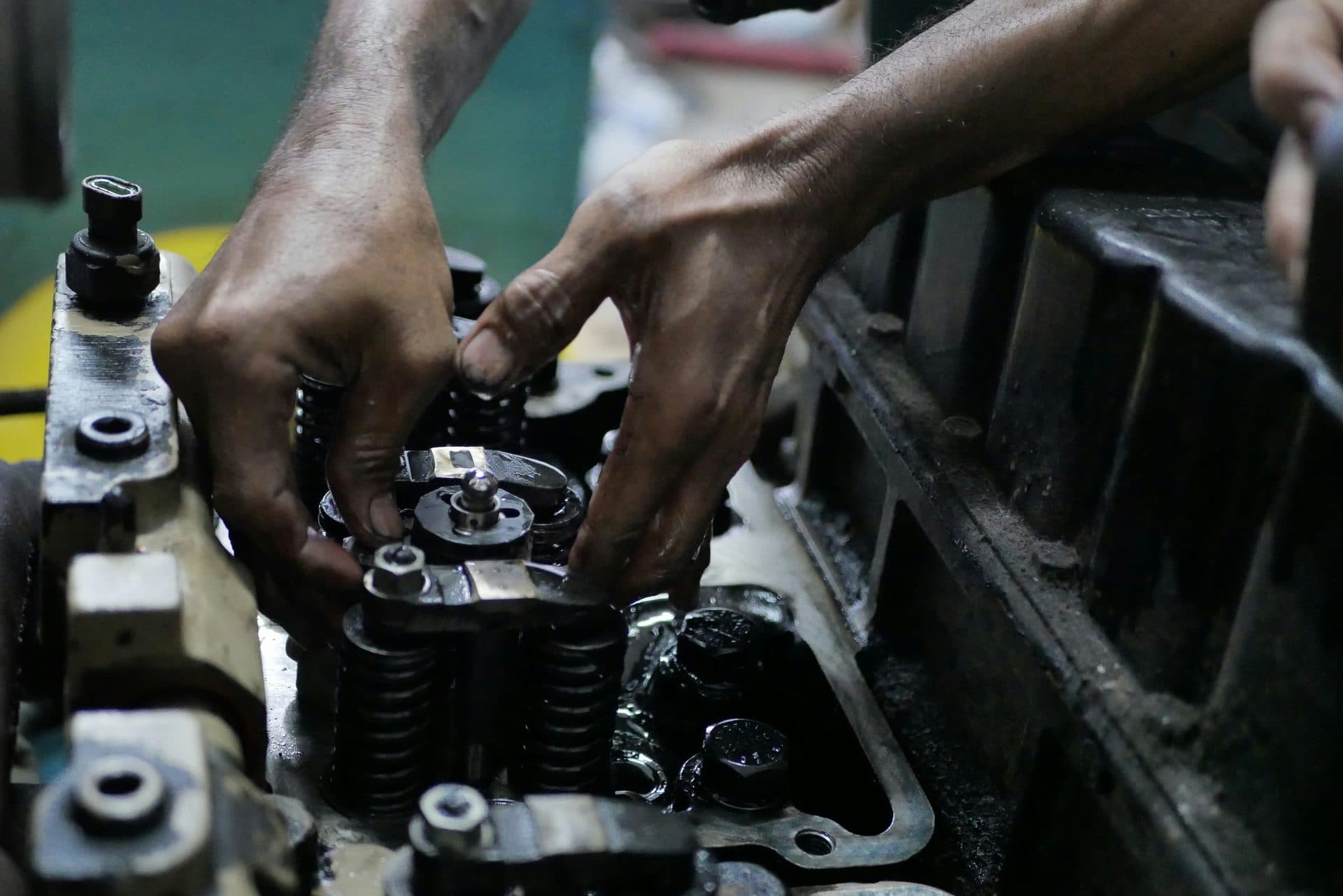
Automotive metal component sourcing Vietnam is a metal-process job — not an EMS or plastics program with a Vietnam label. Buyers who need brackets, mounts, stampings, welded sub-assemblies, machined metal features, or formed sheet parts should qualify plants against drawing, PPAP-style evidence habits, and process control — without mixing in injection moulding or board assembly stories that do not apply.
This guide is for automotive and mobility procurement / SQE teams sourcing metal-only components, with Vietnam as the proof region Lekker works on the ground. Use Vietnam capability posts (e.g. brackets & mounts, CNC and fab notes on the site) as landscape context, not as a plant award. Asia how-tos still apply for method: find, qualify, factory audit.
1. Scope metal only — and name the process
Write the RFQ around the primary metal process:
Brackets / mounts — Typical primary: Laser-brake, stamp, weld · Secondary risks: Hardware, coating
Structural fab — Typical primary: Weld + fixture · Secondary risks: Distortion, NDT if required
Stampings — Typical primary: Progressive / transfer · Secondary risks: Die ownership, coil
Precision features — Typical primary: CNC after fab/cast · Secondary risks: Fixture, CMM
Tubular — Typical primary: Tube laser / bend / weld · Secondary risks: Fit-up, finish
Do not ask a sheet-metal fab to “also quote plastics and wiring harnesses” in the same award conversation. Keep plastics, rubber, and electronics on separate shortlists. If your BOM is mixed, split the metal line items so process ownership stays clear.
2. Drawing, APQP habits, and change control
Automotive metal work expects discipline even when the plant is mid-tier OEM tier-n:
Controlled revision; ECN path named on both sides
Material grade, coating, and heat-treat callouts with standards — not slang
CTQs and special characteristics marked; measurement method agreed
IMDS / material declaration needs stated early if your program requires them — do not invent plant claims; ask what they can support
Prototype vs production tooling clearly labeled
Vietnam plants that export metal regularly will understand controlled revisions; plants that only sell local one-offs may not. Ask for evidence of serial production for similar complexity — without requiring fictional case studies. Your print and your control plan are the source of truth.
3. Vietnam as proof, not as a slogan
Use Vietnam to verify on the floor:
Equipment matches the process you named (press size, laser, weld cells, CMM)
In-house vs outsourced coating / heat treat — named partners
Export packing and documentation habits for serial lots
Communication path for quality containment (quarantine, 8D-style structure if you require it)
Do not award because a brochure says “automotive.” Walk the constraint: the stamping press for your tonnage, the weld fixture for your bracket, the CMM program for your CTQs. Country-level proof that metal capacity exists is useful; plant-level proof is what ships.
4. Quality system and lot evidence (metal checklist)
Before pilot volume, require:
FAI / ISIR-style dimensional package against your CTQs
Process flow and control plan for the awarded route
Gauge R&R or at least named gauges for critical dims
Traceability: heat / coil / lot marking as your contract requires
Containment rules: how they stop and segregate nonconforming metal parts
Skip plastics melt curves and EMS AOI talk. Stay on metal: weld parameters, press setup sheets, brake programs, coating thickness method, rust protection. If your customer mandates IATF-linked suppliers, state that in the RFQ and verify certificates on site — do not assume every capable fab holds the same cert set.
5. Commercial and dual-source reality
Automotive programs change. Lock before tools cut:
Die / fixture ownership and transfer rights
Spare tool or spare cavity policy for volume-critical stampings
Lead time from approved FAI vs blank PO
Metal index / price adjustment rules
Dual-source rules if you need China+1 or Vietnam+second Asia fab later
Compare quotes on identical revision, finish, and packaging. A low piece price that omits e-coat and export crates is not a win. For diversification mechanics after Vietnam proof exists, see diversify supply chain to Asia.
When you need drawing-to-plant OEM support for automotive metal in Vietnam and wider Asia, OEM & Component Sourcing keeps the scope on metal process fit — not a catch-all “Vietnam sourcing” story.
Automotive metal component sourcing Vietnam works when you scope metal-only processes, enforce drawing and change control, verify Vietnam plants on the constraint equipment, demand lot evidence that matches metal CTQs, and lock tooling ownership before volume. Mix in plastics or EMS and you dilute the qualify.