
Blog
// Lekker's Blog
How to Diversify Your Supply Chain to Asia
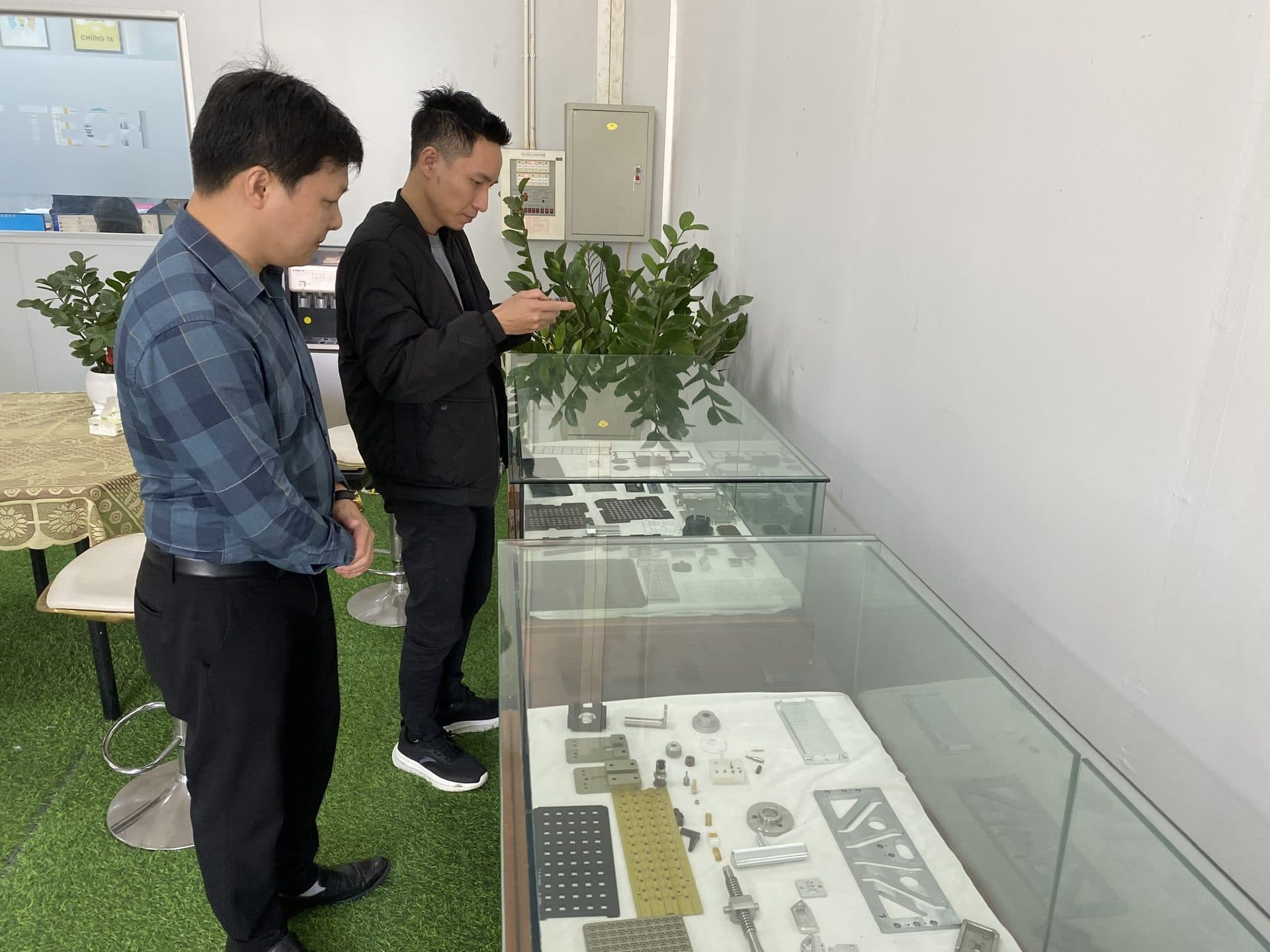
Diversifying your supply chain to Asia is not “find a cheaper quote and flip the PO.” For industrial buyers of metal products — sheet metal, CNC parts, castings, enclosures, brackets, cabinets — it means building a second (or third) path that can hold drawing, volume, and delivery when your primary plant is late, full, or politically exposed.
This guide is for procurement and SQE teams who already buy metal in China or elsewhere and want a credible Asia option without gambling the tool. If you still need a first shortlist, start with how to find suppliers in Asia and how to qualify Asia suppliers. Diversification assumes you can name the part families you will move.
Use SPLIT — five steps:
S — Scope: Which metal SKUs move first
P — Prove: Desktop + sample + process fit
L — Locate: Shortlist real fabs, not traders
I — Insure: Dual tool / dual process rules
T — Transfer: Pilot lot, then volume
1. S — Scope: which metal work moves first
Do not diversify “everything.” Pick a constraint family:
Repeat sheet-metal brackets or enclosures with stable drawings
CNC parts where a second cell can hold your tolerance without heroics
Castings only when alloy, tooling ownership, and finishing route are clear
Leave hero parts (single-source dies, unreleased drawings, special finishes with one vendor) until the dual path works on something boring. Vietnam proof on the site — CNC vs China, enclosures, brackets — is evidence that metal capacity exists; it is not a purchase order.
Write exit criteria before quotes: max unit price delta vs primary, lead-time floor, MOQ, who owns fixtures, and what “pass” looks like on first-article.
2. P — Prove: fit before volume
Asia diversification fails when buyers treat a sample room as production.
Match process, not brochure: laser + brake + weld vs CNC mill vs die cast are different plants.
Demand a route sheet for your revision: in-house vs plated / heat-treated / painted outside.
Compare a production-intent sample to a part from the primary plant (same CMM points, same finish callouts).
Cost alone is a weak reason to move metal. Say a plant quotes 8% under your primary: if it cannot pack for export, claims will erase that gap. For CNC-specific cost context, see the Vietnam vs China machining note above — use it as a checklist, not as a blanket “Asia is cheaper” claim.
3. L — Locate: shortlist factories you can audit
Diversification needs names you can visit. Filter traders early — see Asia trader vs metal factory. Prefer plants that:
Show equipment lists that match your BOM steps
Name outsourced finishes and allow you to visit or audit them later
Export regularly (packing, docs, Incoterms language that is not improvised)
Build the list with Market Research & Supplier Discovery, then qualify. Do not “diversify” into a single WhatsApp contact who subcontracts three parks.
4. I — Insure: dual source without breaking tooling
China+1 for metal only works if you decide what is duplicated:
Dual fab, shared drawing, buyer-owned fixtures — When it fits: Stable sheet metal / CNC · Risk: Fixture cost; need identical gauges
Soft dual: same plant group, second site — When it fits: Capacity only · Risk: Same commercial risk
Hard dual: two unrelated OEMs — When it fits: Geopolitical / capacity shock · Risk: Two quals, two FAIs
Write who pays for dies, jigs, and CMM programs. If the primary plant “owns” everything, you do not have a second source — you have a hope.
5. T — Transfer: pilot, then volume
Run a pilot lot with the same SQE scorecard you would use on a factory audit: process fit, QC independence, packing, communication.
Pilot volume should stress the constraint process (e.g. weld + powder), not only laser blanks.
Keep the primary plant live until the second has shipped two clean lots.
Document the switch rule: what delay or quality event triggers volume share.
If your team cannot staff on-site verification across countries, OEM & Component Sourcing is the Lekker path that keeps diversification tied to shop-floor proof — not only a cheaper line on a spreadsheet.
Diversifying metal supply to Asia is a program: scope the right SKUs, prove process fit, locate real fabs, insure tooling ownership, transfer with a pilot. Skip any letter and you have moved risk, not reduced it.