
Blog
// Lekker's Blog
Casting vs Fabrication vs CNC Sourcing
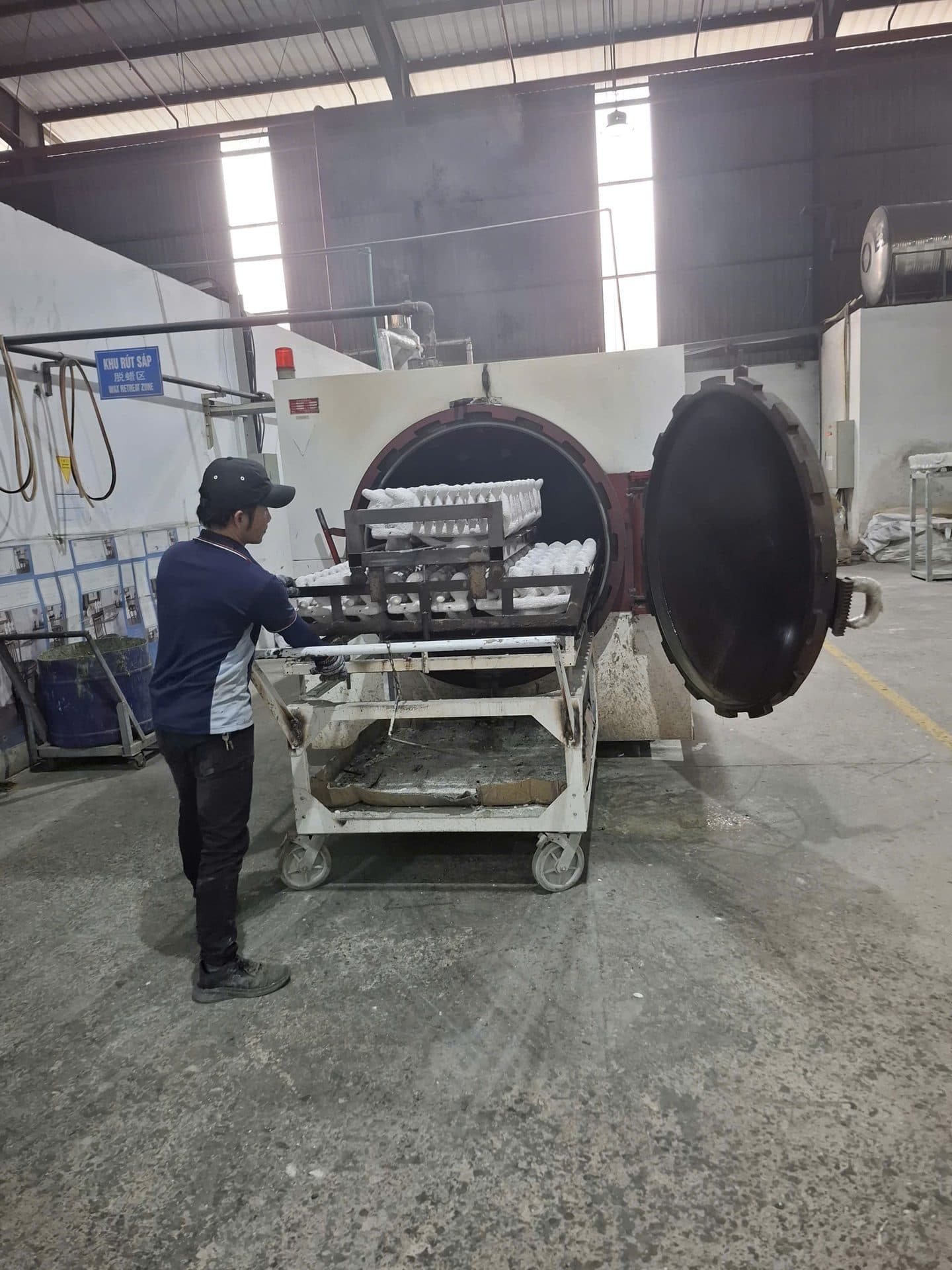
Casting vs fabrication vs CNC sourcing is a process decision, not a country decision. For industrial buyers of metal parts, the wrong route locks you into tooling you cannot move, tolerances a plant cannot hold, or a unit price that only looks cheap until machining and scrap show up.
This guide helps procurement and engineering choose a primary process for brackets, housings, frames, and machined features — then source that process honestly in Asia. Finding plants is covered in how to find suppliers in Asia; qualifying them in how to qualify Asia suppliers. Here the job is which metal process should own the part.
1. Start from geometry and volume, not from a brochure
Ask three questions before RFQs:
Is the shape mostly plates and bends, a near-net solid, or precision features on stock?
Will annual volume justify tooling (dies, molds, fixtures)?
Which dimensions are functional — and which are “nice if held”?
Sheet fab loves flat patterns and weldments. Casting loves repeated complex solids once tooling is paid. CNC loves precision and changeable geometry without hard tooling. Hybrids are common (cast then machine; fab then machine critical holes) — name the primary process so you shortlist the right plant type. If engineering and procurement disagree on the primary process, fix that before you burn quote cycles.
2. When fabrication is the honest choice
Choose sheet / plate fabrication when:
Parts are brackets, enclosures, panels, frames built from sheet or plate
Draws change often and you cannot freeze a die
Weld, powder, and hardware define cost more than bulk metal shape
Watch for: weld distortion vs drawing, grain direction on structural bends, and finish after weld. Fab plants that only laser and outsource everything else need a named finish route. If your “fab” part is really a thick machined block with one bend cartoon, you are fighting the process. Ask for a route sheet that lists brake, weld, and coat steps — not a single “sheet metal” line item.
3. When casting earns the tooling
Choose casting (die, investment, sand — pick by alloy and detail) when:
Geometry is 3D and repeating at volumes that amortize tooling
Near-net shape cuts heavy CNC time on the same part
Alloy and porosity rules are clear on the drawing
Watch for: who owns the tool, lead time to first good pour, and machining stock left for critical faces. Casting “cheaper than CNC” fails when every critical face still needs a full mill program and the scrap rate is undefined. Demand as-cast vs after-machine inspection points before you compare quotes. Write tool ownership and storage fees into the commercial pack before first pour — not after a plant move.
4. When CNC should stay the primary route
Choose CNC when:
Tolerances and datums matter more than material near-net shape
Volumes are low–mid or drawings still move
Material is bar, plate, or billet with known certs
Watch for: setup time, fixture cost, and whether secondary operations (heat treat, plate) sit in-house. For Asia CNC context and what buyers actually see on the ground, see Vietnam CNC as a China alternative — use it as process proof, not as a blanket cost claim. CNC also wins when you expect ECNs; changing a program is cheaper than changing a die, even if the unit price looks higher on paper.
5. Compare total route cost, not unit price alone
Tooling — Fab: Low–mid (fixtures, jigs) · Cast: High (dies / molds) · CNC: Low–mid (fixtures)
Change speed — Fab: Fast · Cast: Slow · CNC: Fast
Best fit — Fab: Sheet geometry · Cast: Complex solid, volume · CNC: Precision / agility
Hidden cost — Fab: Weld + finish · Cast: Tool + machine stock · CNC: Cycle + setups
Score quotes on route: material → primary process → secondary → pack. A cast quote that omits machine and plate is not cheaper — it is incomplete. Lekker’s OEM & Component Sourcing path is for locking that route with process fit and QC, not for picking a process from a catalog photo.
6. Decision rule before you issue the RFQ
Write one sentence on the drawing package: Primary process = fab | cast | CNC; secondary = … Then shortlist plants that own that primary step in-house. If you need on-site confirmation of equipment and outsourced finishes, use the same checklist mindset as a factory audit in Asia.
Reject bids that cannot name the primary machine or process cell. A trader who “can do all three” without owning any of them is not a process decision — it is a middleman risk.
Pick the process that matches geometry and change rate; source that process in Asia with a full route quote. Mixing three process stories into one RFQ is how you get three optimistic numbers and one late part.