
Blog
// Lekker's Blog
CNC Tolerances When Sourcing in Vietnam
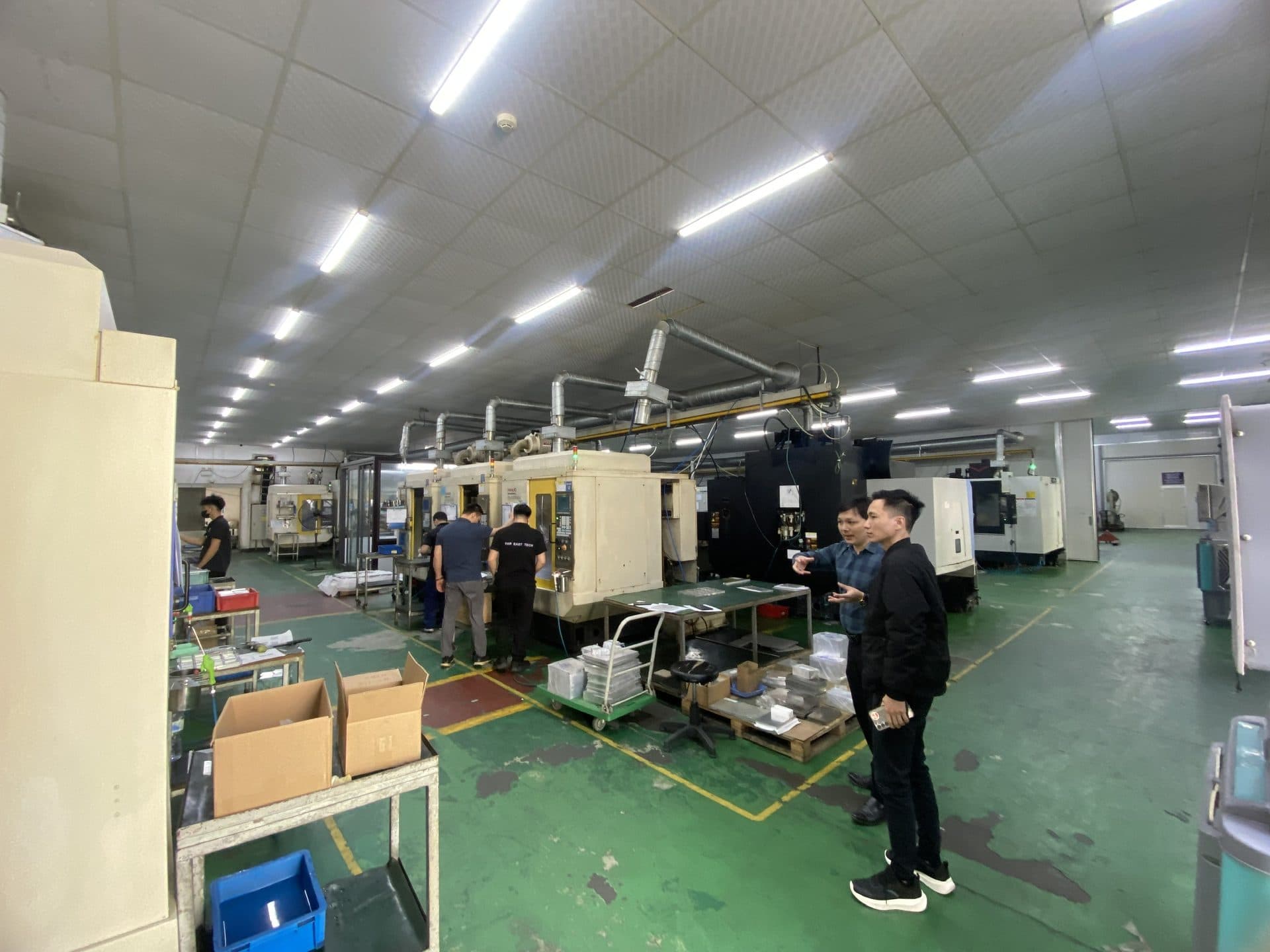
A drawing that asks for everything tight is how CNC quotes in Vietnam either explode or quietly ignore half the balloons. For industrial buyers sourcing machined metal in Vietnam and the wider Asia CNC base, the useful question is not “can anyone hit ±0.01 everywhere?” It is which dimensions must be held, on which datums, with which process — and what belongs on the print versus in a wish list.
Vietnam shops are real CNC capacity; treat them like any serious machining base. For competitive context against China machining, see Vietnam CNC as a competitive alternative. Qualify plants with how to qualify Asia suppliers; confirm process on the floor with a factory audit in Asia.
1. Separate functional tolerance from habit
Before you RFQ:
Mark mating features, seal faces, bearing seats, and alignment datums as critical
Leave cosmetic edges and non-fit faces on general tolerance
Stop copying ±0.05 on every hole “because the last vendor did”
Tight-all-over drawings raise cycle time, scrap risk, and inspection cost. Asia CNC quotes that look cheap often assume they will not CMM every balloon you printed. If engineering cannot explain why a face is tight, loosen it before the RFQ — not after the first scrap argument.
2. Put the datum scheme on the drawing you will inspect to
Buyers sourcing CNC in Vietnam (and the rest of Asia) get cleaner lots when:
Primary / secondary / tertiary datums match how the part locates in the assembly
Inspection points are listed or ballooned for FAI
Stock and setup orientation are implied by the datums (not left to tribal knowledge)
If your CMM program and the shop’s first-article plan disagree, you will argue about “out of tolerance” parts that were never aligned the same way. Send the inspection points with the RFQ so the bidder prices metrology honestly.
3. Match tolerance to process — not to a catalog claim
Realistic buyer discipline:
Hole position — Buyer habit that fails: Tiny true position on thin plate without fixture plan · Better approach: Datum + fixture note; allow ream where needed
Flatness — Buyer habit that fails: Spec tighter than stress relief / clamp allows · Better approach: Call out after finish if finish moves the face
Thin walls — Buyer habit that fails: Same as thick block · Better approach: Allow stock, support, or redesign
After heat treat / plate — Buyer habit that fails: Ignore growth · Better approach: Dimension after process or add stock note
Ask the bidder to flag any tolerance they cannot hold on your material and size — in writing — before award. Silence is not agreement. A plant that pushes back on three balloons is often safer than one that accepts every micron without questions.
4. Write secondary ops into the tolerance story
Plating, anodize, heat treat, and grind change size. If the print shows finished size but the shop machines pre-plate, say which state is inspected. Many Asia CNC disputes are finish-state disputes wearing a “tolerance” costume.
Same rule for weldments that get machined faces later: which operation owns the critical dimension? Put the sequence on the RFQ cover: machine → treat → plate → final check, or whatever your route actually is.
5. Sample and FAI to the balloons that matter
Do not approve a pretty sample that was hand-adjusted on a bench. For production intent:
Same machine class and fixture approach as volume
FAI on critical balloons only if you must stage cost — but never skip the ones that mate
Keep the same points at incoming
Lekker’s OEM & Component Sourcing path is for locking CNC process fit and inspection with the supplier — not for hoping a general tolerance block survives export. If the sample was made on a prototype cell, say so — and require a production-cell FAI before volume.
6. Use capability talk, not hero stories
When a plant says they “can do anything,” ask for:
Typical holding on similar envelope parts (qualified language, not invented stats)
Metrology on site (CMM, gauges) and who programs it
Which tolerances force EDM, grind, or specialty tooling
Site proof and a clean FAI beat brochure micron claims. Cross-check shortlists the same way you would when you find suppliers in Asia. Prefer plants that show the fixture and the probe path over plants that only show a polished sample tray.
Put functional CNC tolerances on the drawing, match them to process and finish state, and FAI those balloons. Vietnam and Asia CNC capacity can hold serious work — it cannot hold every number you copied from fear.