
Blog
// Lekker's Blog
How a Factory Visit Works for Metal Sourcing
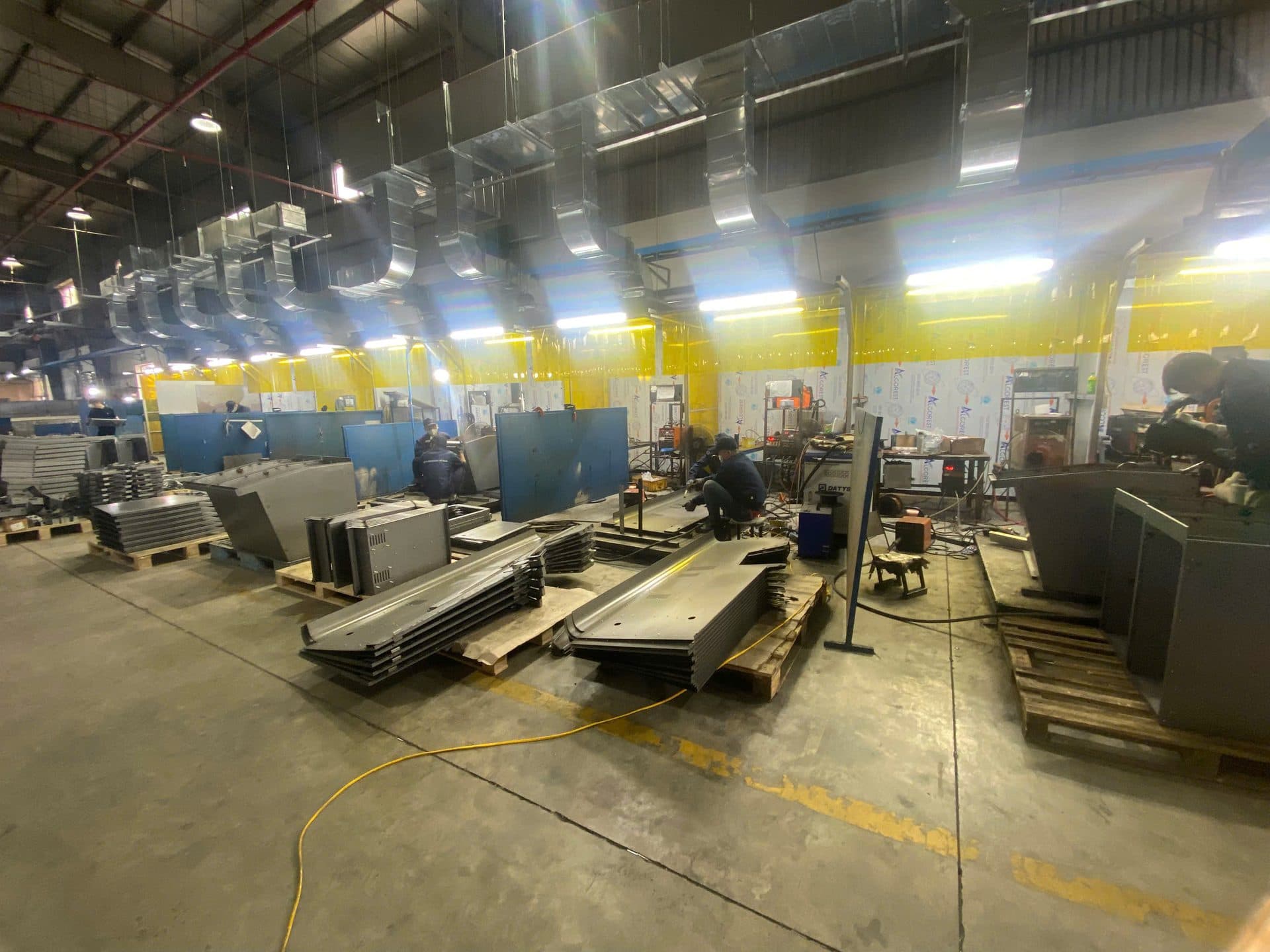
A factory visit for metal sourcing is not a tour for LinkedIn. For sheet metal, CNC, casting, and welded OEM work, it is a structured walk of the route your part would take — so you know the plant is real, the process fits, and the gaps are named before tooling money moves.
This is Lekker’s process lens: how we approach metal factory visits across Asia, including Thailand — so industrial buyers sourcing in Asia see a named market, not only a Vietnam story. It is not a case study with invented customers or named “wins.” For a full audit scorecard, use how to conduct a factory audit in Asia. Visits often sit earlier — after discovery, before or during qualification.
Five stages:
1. Decide what the visit must answer
Write the questions before the gate:
Is this a manufacturing plant or a trading office with a partner park?
Does the equipment list match your process (laser/brake/weld, CNC, cast + machine)?
Which steps are outsourced, and can those partners be named?
Can QC show calibrated metrology and records for parts like yours?
What commercial terms (MOQ, tooling ownership, lead time) will the visit need to stress-test in conversation?
If the visit cannot answer those, schedule a longer audit or walk away. Geography is not the verdict — Thailand and China both hold strong and weak shops in the same corridor. A polished meeting room is evidence of hospitality, not of process control.
2. Desktop filter before anyone travels
Lekker-style visits burn plant time and travel budget. Remote work first:
Drawing scope, volume band, materials, finish.
Machine and process list vs BOM; certificates as claims (scope statement, dates).
Map and gate photos that match the claimed address.
Clear label: factory, trader, or hybrid — undisclosed traders stay off the visit calendar for critical metal parts.
Only plants that survive desktop enter the visit day. Market Research & Supplier Discovery is the Lekker service that builds and filters that list — visits are proof on shortlisted names, not a substitute for a shortlist. Flying to ten “maybe” traders is not metal sourcing discipline.
3. Walk the part route on the floor
On site, follow material in → process → in-process check → final inspection → packing:
Incoming. Certs on file? Lot ID? Or “we trust the mill”?
Process. Work instructions at the station? Watch an operator; note fixtures and in-process gauges.
Metrology. CMM or layout tools in use, not dusty showpieces. Ask for a recent report on a similar part.
Outsourced finish. Name the plater or painter; note whether you can visit later.
People. Who can stop the line? Owner-only rejection is a delivery-pressure risk.
Packing. Export crating, moisture protection, and labeling for the Incoterm you will actually use.
Photos (with permission) should map to scorecard items — equipment, gauges, packing — not only a handshake in the lobby. Public shop-floor visit posts on the site (CNC and related OEM notes from plants we have walked) show what evidence looks like; use them as a visual baseline, not as a vendor award.
4. Score the constraint, then write the call
Use one scorecard for every plant: process fit, QC independence, capacity headroom, export packing, technical communication, commercial honesty (MOQ, tooling ownership).
Do not average a strong laser bay with an unvisited powder line. Score the constraint. Within 48 hours, write pass / conditional / fail, open points, and what a pilot lot must prove. Conditional is normal — extra gauges, a finish-vendor visit, a capability study on first pieces. Share the written call with procurement and engineering so the visit does not become oral folklore after the flight home.
5. Be honest about what a visit cannot do
A factory visit for metal sourcing confirms presence, process fit, and obvious red flags. It does not:
Replace a pilot lot under your revision and packing rules.
Prove long-term delivery under peak season.
Substitute for tooling ownership and change-control agreements in writing.
Make two plants interchangeable without FAI on both (see dual sourcing Asia for tooling mechanics).
Lekker’s role is to keep visits tied to buyer decisions — shortlist, qualify, audit, pilot — not to sell a walkthrough as a finished dual-source program. When on-site verification needs to continue through FAI and lot release, that sits with OEM & Component Sourcing.
A metal factory visit works when questions are set, desktop filters first, the floor walk follows the part, the constraint is scored in writing, and nobody pretends a tour is a production release.