
Blog
// Lekker's Blog
Tooling Ownership Asia OEM: Dies, Jigs, Fixtures
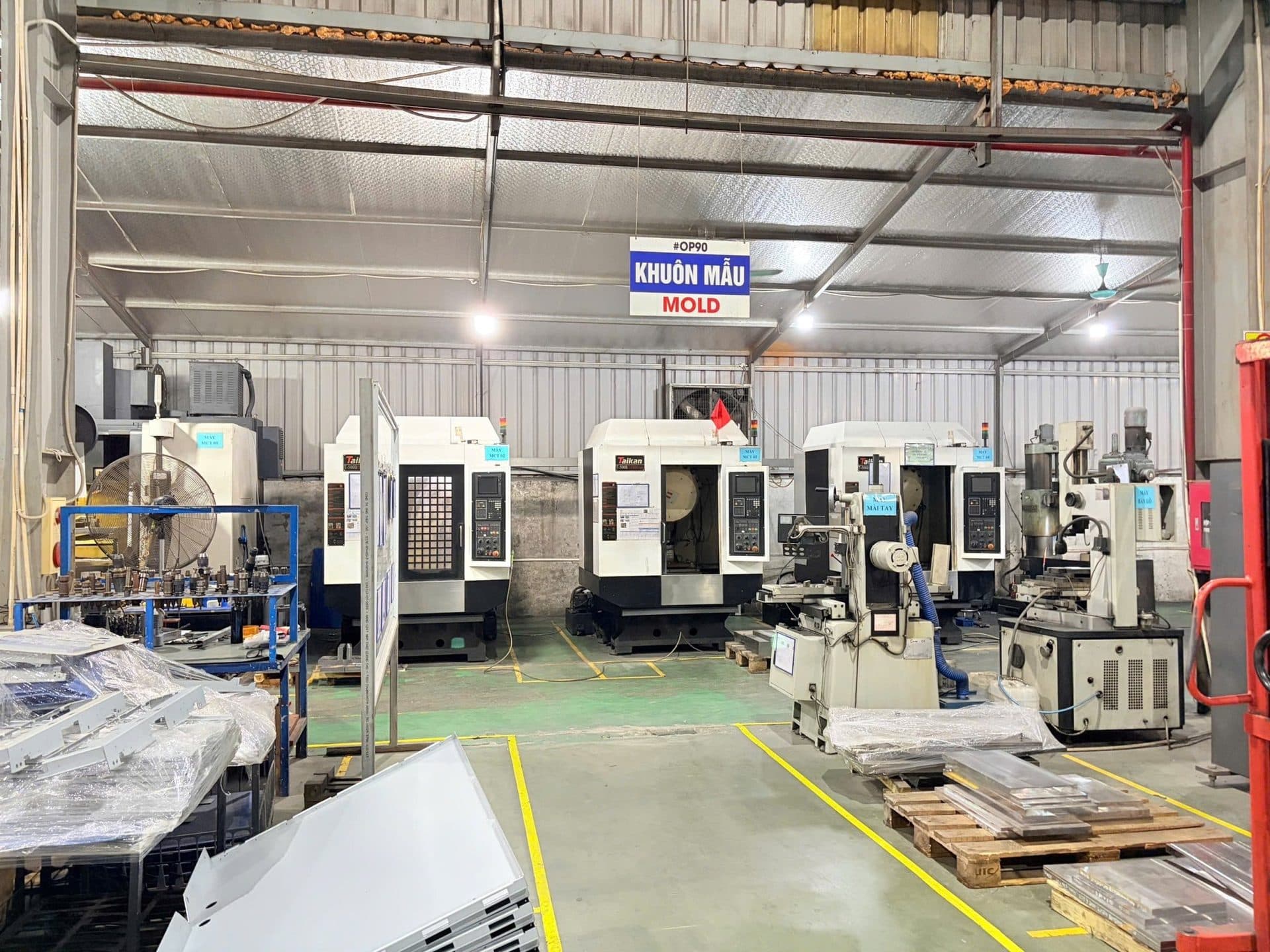
Tooling ownership Asia OEM deals fail quietly: the buyer paid for a die or fixture, the plant “owns” the process, and moving volume later means starting over. For metal sourcing — stamp dies, weld jigs, machine fixtures, gauges, CMM programs — ownership must be written before deposit, not argued after a claim.
This is for procurement and engineering teams placing CNC, sheet metal, stamp, or fab work in Asia. It assumes you already have a shortlist; if not, find suppliers in Asia and qualify first. Ownership language belongs in the audit and the contract, not only in a handshake on the tour.
1. Name every asset on the program
List what your part family needs before you negotiate price:
Stamp / form dies — Typical metal use: Brackets, clips, deep draw · Ownership risk if vague: Cannot move volume; plant claims “process know-how”
Weld / assembly jigs — Typical metal use: Frames, enclosures · Ownership risk if vague: Dual source impossible without rebuild
Machine fixtures — Typical metal use: CNC, drill, mill · Ownership risk if vague: Datum drift between plants
Soft jaws / custom cutters — Typical metal use: CNC · Ownership risk if vague: Hidden cost on second source
Gauges / CMM programs — Typical metal use: FAI and lot check · Ownership risk if vague: Different plants “pass” different points
If it is not on the list, it will appear as an invoice line or a refusal when you ask to move the tool. Include programs and electronic files — a CMM fixture without the program is half a system.
2. Separate pay, hold, and use
Three questions, three answers in writing:
Who pays for design, build, tryout, and modifications?
Who holds physical tools and digital files (plant, buyer warehouse, escrow)?
Who may use them for other customers or sister plants?
Paying does not always mean owning. Some plants discount tooling but keep title. Some transfer title only after full amortization. Some allow use only at that site. Dual-source strategy dies if title and use rights are unclear. Write transfer triggers: end of contract, quality failure, capacity refusal, or buyer decision with notice.
3. Dies and hard tooling
For stamp and form tools:
Demand drawings / 3D of the die (or agreed escrow of files)
Define tryout lots, acceptance criteria, and who pays for engineering changes after drawing revision
State storage, maintenance, and insurance responsibility
Forbid use for other customers without written consent
“Tooling included” with no title clause is not ownership. If the plant will not share die drawings after payment, treat that as a commercial decision — you are buying capacity at one address, not a transferable asset.
4. Jigs, fixtures, and CNC soft tooling
Weld jigs and machine fixtures are the metal dual-source bottleneck.
Locator scheme documented against drawing datums
Buyer-owned vs plant-owned clearly marked on the PO
Identical gauge points if two plants will run the same part
Soft jaws, custom cutters, and probes listed as owned assets or consumables
Plant-owned fixtures are fine for single-source capacity. They are a trap for China+1. If diversification is a goal, budget buyer-owned fixtures early — see how to diversify your supply chain to Asia on shared fixtures and gauges.
5. CMM programs and quality assets
Metrology is tooling too.
Who writes and owns the CMM / vision program?
Can the buyer export the program and fixture design to a second plant?
Calibration certificates and master artifacts — plant or buyer?
Without shared measurement definition, two plants will both “pass” and ship different parts. Align balloon points and method before first-article at plant two.
6. Put ownership in audit and contract
On-site, ask to see the tool room and nameplates / asset tags for your tools (or a mock for a similar program). In the contract: title, use rights, transfer, storage, and modification cost. Run this checklist during factory audit — commercial ownership is as important as weld or CNC capability.
If your team cannot negotiate and verify tooling across Asia sites, OEM & Component Sourcing is the Lekker path that keeps dies, jigs, fixtures, and programs tied to written ownership — not only a cheaper unit price.
Tooling ownership for Asia OEM metal work is a list: name the assets, separate pay/hold/use, lock dies and fixtures, own the measurement definition, write it into audit and PO. Vague tooling language is a single-source decision dressed as a savings line.