
Blog
// Lekker's Blog
Hot Forging Sourcing in Asia: A Buyer Checklist
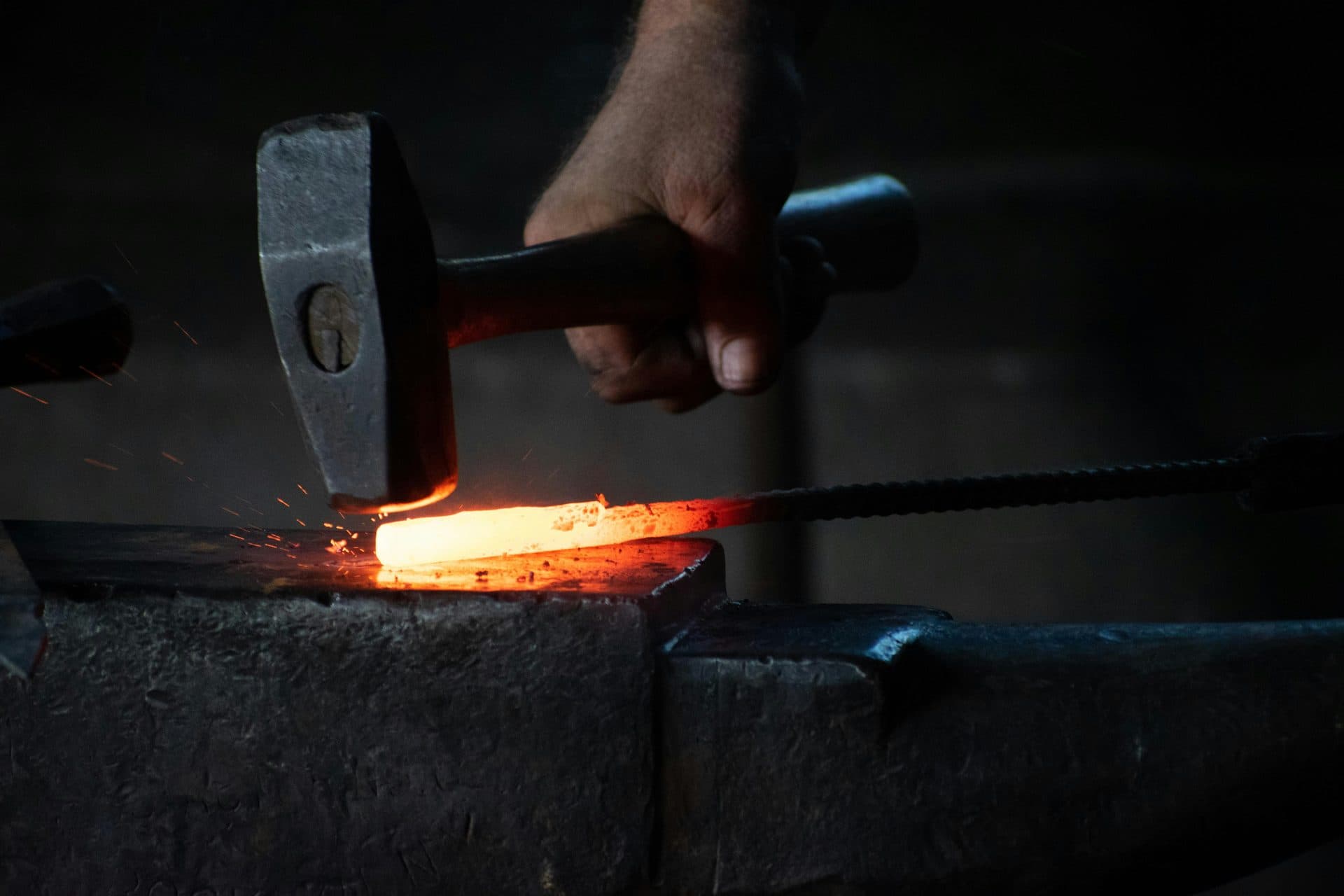
Hot forging sourcing in Asia is not three quotes and a shiny sample on a tray. For steel and alloy OEM forgings, you are buying a die set, a heat and grain-flow practice, and usually a trim / heat-treat / machine partner — before you lock a geometry that is expensive to move.
This checklist is for buyers who already know hot forging fits the part (vs machining from bar, casting, or stamping) and need a practical Asia qualify path. Name the process on the RFQ: closed-die, open-die, or upset. Those are different shops, different tools, and different lead times. There is no Vietnam forging landscape post on this site to lean on as country proof — award on dies and route, not on a flag. If the geometry might still be cast or machined, settle that first with casting vs fabrication vs CNC sourcing. Then use find, qualify, and factory audit.
Five layers:
1. Dies and tooling: ownership before steel
Ask in writing before production dies are cut:
Who pays for blockers, finishers, trim tools, and first trials?
Who owns the dies, and can they transfer if you exit or dual-source?
Press / hammer class vs your envelope, material, and reduction — verify on the floor, do not invent tonnage from a brochure.
Prototype or soft tools vs production dies — and what changes for volume grain flow and flash.
Spare cavity or spare die policy if the SKU is volume-critical.
Storage, marking, and revision control so an ECN does not run the wrong die from the rack.
A plant that “does forging” but cannot show die-shop or press fit for your part is a development gamble. If dies stay plant-owned with no transfer clause, treat the program as single-source even if the brochure says OEM partner. Put ownership in the same language you use for other metal tools — see tooling ownership for Asia OEMs.
2. Billet, heat, and grain flow
Qualification includes the metal and the heat, not only the cavity:
Grade and spec vs what the plant regularly forges (mill certs, not a verbal “we can do it”).
Billet size, cut method, and how they control chemistry and surface before heat.
Forge temperature window and how they catch underheat / overheat — grain flow is the point of forging; a pretty shape with broken flow is a machined lump in disguise.
What they will not quote (stainless, high-alloy, large open-die) — a yes to every grade is not discipline.
Heat/lot traceability for claim windows measured in months, not days.
If your grade is uncommon in that market, billet logistics and MOQ become part of sourcing. Ask to see a similar envelope part’s flow lines or section photos — not a catalog of unrelated automotive logos.
3. Integrity and dimensional proof
Hot-forged OEM parts fail on mismatch, underfill, folds, scale pits, and distortion after cool.
Agree inspection: visual, dimensional, MPI/UT where CTQs demand it — and who pays for scrap lots.
Lock datums and machine stock that match the drawing after forge + trim + heat treat, not “as forged looks fine.”
Demand a production-intent sample from the intended dies, heat, and trim route — not a hand-ground show piece.
Compare first article to drawing and to any legacy China/EU forging on the same points.
Write flash, mismatch, and fold limits. Silent grind-out of defects is a quality debt.
Score the constraint that will kill the lot: thin webs, critical grain direction, or a bore that must machine true after heat treat. If the forge cannot explain how they control that constraint, stop before you fund production dies.
4. Trim, heat treat, and machining
Most hot-forging programs are incomplete at the press.
Map in-house vs outsourced trim, heat treat, shot blast, and machining.
Confirm fixture ownership for post-forge machining — those fixtures are dual-source and exit assets.
Visit or audit heat treat when hardness or microstructure sits on the CTQ list. Anonymous HT with no cert trail is not a closed route.
Write packing rules for scale, rust, and nicked parting lines in transit.
Align machine stock so the machine shop is not “fixing” a wild forging every lot.
A strong press hall with an opaque heat-treat partner is an incomplete source. Dual-source forging with single-source anonymous machining is not dual-source for the customer.
5. Commercial and SQE gates before volume
Close the loop before the first production PO:
MOQ, sample lead time, and production lead time written for your grade, die set, and finish — not catalogue averages.
Incoterms, packing, and mill/heat-treat document set that match export reality.
SQE scorecard: process fit, QC independence, delivery, communication — same language as other Asia metal plants.
Pilot lot criteria: what “pass” means before share increases.
Claim window and quarantine rules when a heat fails late in the chain.
When on-site verification must continue through FAI and lot release, OEM & Component Sourcing is the Lekker path that keeps hot forging tied to shop-floor proof — not only a cheaper line on a spreadsheet.
Hot forging sourcing in Asia works when you lock die ownership, prove billet and grain flow, score integrity methods, map trim and heat treat, and stage volume with written gates. Skip a layer and you have bought a sample, not a transferable OEM source.