
Blog
// Lekker's Blog
Solar Panel Aluminum Bracket Sourcing in Asia
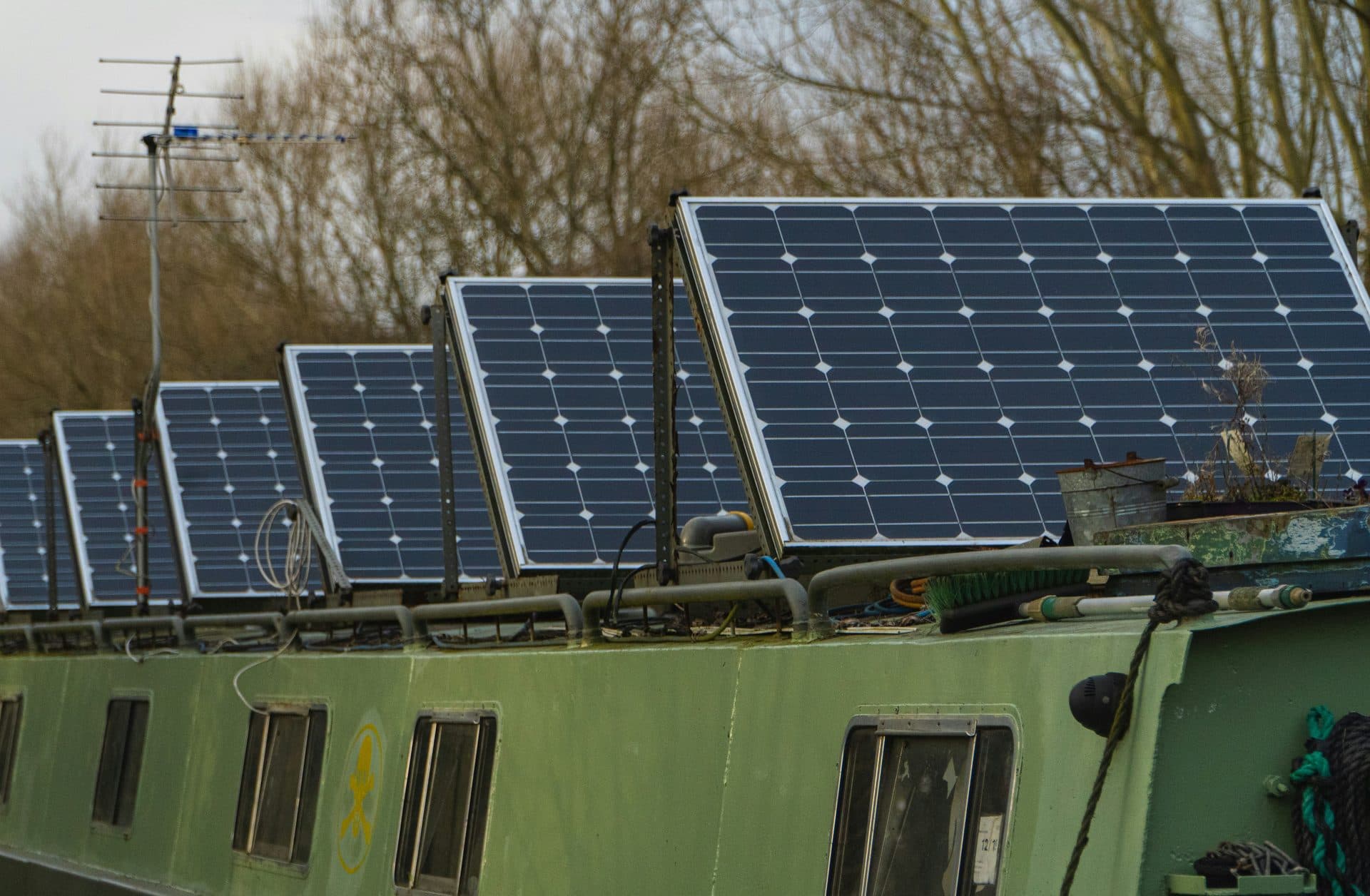
Solar panel aluminum bracket sourcing in Asia is a metal-hardware job: rails, L-feet, mid and end clamps, splices, and post adapters that hold modules — not the module, glass, or inverter. Buyers who RFQ “solar brackets” without a process get mixed quotes: extrusion cut-to-length from one plant, a die-cast clamp from another, and a CNC plate from a third — none of them comparable.
This checklist is the deep dive on aluminium mounting hardware. The wider process map for solar, wind, and storage metal sits in renewable energy metal component sourcing. Vietnam extrusion notes (alloys, MOQ, shop audit) are proof that aluminium profiles exist on the ground — not a purchase order for every rail. Pair RFQ discipline with sheet metal RFQ Asia when you also buy formed steel posts. Find and qualify with find and qualify.
1. Split the bill of materials before you shop
Name each line:
Rails / strut — Usual aluminium route: Extrusion + cut · What CNC still does: Holes, slots, splice features
Mid / end clamps — Usual aluminium route: Die cast or CNC from plate · What CNC still does: Threads, pad geometry
L-feet / bases — Usual aluminium route: Extrusion + machine, die cast, or fab · What CNC still does: Hole pattern to structure
Splices / joiners — Usual aluminium route: Extrusion offcuts or die cast · What CNC still does: Fit to rail slot
Grounding / bonding bits — Usual aluminium route: Stamped or CNC · What CNC still does: Coat skip / mask
Do not award “the solar kit” to one trader who will not open the extruder and the die-caster. If clamps and rails come from different processes, you may need two plants — or one OEM who names both routes in writing.
2. Extrusion vs die cast vs CNC — lock one primary per part
Extrusion when the section is constant along length (rails). Custom dies need MOQ honesty and transfer terms. Cut-to-length and punch/CNC after age-hardening. Ask temper, straightness, and slot dimensions on your drawing — not a catalogue mill finish.
Die casting when the clamp or foot is a repeated 3D solid (bosses, logos, pockets) at volume that justifies a die. Qualify die ownership, alloy, and porosity like die casting supplier qualification. A hand-finished show clamp is not the volume tool.
CNC from plate or extrusion billet when volume is low, the print still moves, or hole true-position is the CTQ. Use CNC tolerance discipline for datums. CNC is a poor substitute for kilometres of rail.
If engineering cannot say why a clamp is cast instead of machined, freeze that before Asia quotes. Mixed processes on one line item make FAI meaningless.
3. Alloy, coating, and outdoor reality — without invented hours
Write what the drawing actually requires:
Alloy and temper (e.g. 6000-series callouts you will inspect)
Coating: anodize, powder, or mill — thickness and visible faces
Which state is inspected (before or after coat)
Dissimilar-metal contact with steel posts or copper bonding — isolation or spec as on the print
Drainage and slot deburr so water and chips do not sit in the rail
Do not paste brochure salt-spray hours into the RFQ unless they are on your specification. Ask what the plant can certify and how they mask holes. Anonymous “we anodize outside” is an incomplete outdoor source — name the coater when coating is CTQ.
4. Holes, slots, and interchangeability
Solar hardware fails in the field when lot two does not slide or bolt like lot one.
Datum scheme for hole patterns to the rail slot or post
Production-intent sample from the intended extrusion die or cast tool — not a prototype mill
Gauge or CMM points you will reuse at incoming
Spare-part rule: a replacement clamp must fit the installed rail without hand-file
If the plant “owns” the extrusion die and will not transfer, a 20-year install is single-source. Put ownership in the PO before the die is cut.
5. Packing, kitting, and commercial compare
Mounting kits dent and scratch in export:
Rail length vs crate; end caps; bundle straps that do not crush slots
Clamp bags vs bulk; count accuracy if you kit by table
Same revision, same alloy, same coat, same packing on every quote
MOQ: extrusion die vs CNC lot vs cast die — they are different numbers
Lead time from approved FAI vs from blank PO
A cheap rail quote that omits anodize, cutting, and packing is not cheaper. Walk the press (or die-cast cell) and the cut/punch line — not only a finished array photo in the meeting room.
When solar aluminium hardware needs drawing-to-plant OEM support, OEM & Component Sourcing keeps the path on process fit and coating — not a module-trader brochure. Alloy and billet questions can sit with raw material sourcing when the mill, not the punch, is the bottleneck.
Solar panel aluminum bracket sourcing in Asia works when you split rails from clamps, lock extrusion vs die cast vs CNC per part, write coating and hole datums, own the tools, and compare full kits. RFQ “solar brackets” as one SKU and you have bought incompatible quotes.