
Blog
// Lekker's Blog
How to Qualify a Die Casting Supplier in Asia
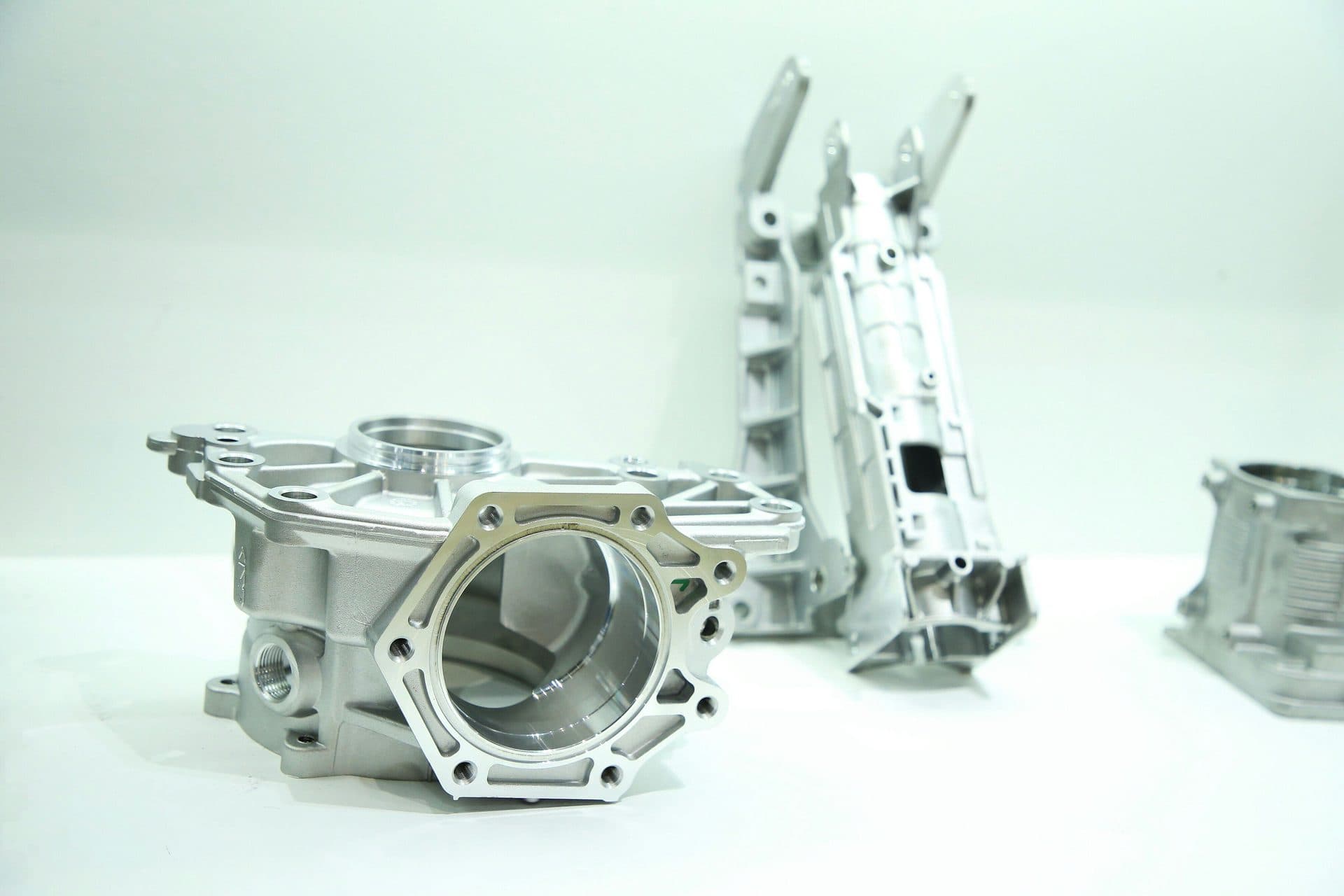
Die casting supplier qualification in Asia is not a pretty sample and an alloy brochure. For aluminium and zinc OEM castings, you are qualifying a tool, a melt practice, a porosity risk, and often a machining or finish partner — before you pay for a die that is hard to move.
This guide is for buyers who already know casting is the right process (vs fab or CNC for the geometry) and need a practical qualify path. Vietnam landscape notes live on die casting in Vietnam; use that as capability context, not as a plant award. The same qualify discipline applies in Thailand or Malaysia — country is not a substitute for tool ownership and porosity control. General Asia habits still apply: find, qualify, audit. After award, gate volume with sample to production for casting in Asia and clear tooling ownership.
Five qualification layers:
1. Tooling: ownership, size, and transfer
Ask in writing before the die is cut:
Who pays for the die, inserts, and first trials?
Who owns the die, and can it transfer if you exit or dual-source?
Press size and locking force vs your part projected area and wall thickness.
Soft tooling / prototype vs production die — and what changes for volume.
Spare cavity or spare die policy if the part is volume-critical.
A plant that “has die casting” but cannot show die-shop or press capability for your envelope is a development gamble. Do not invent machine counts; verify on the floor or with documented evidence. If the die stays plant-owned with no transfer clause, treat the program as single-source even if the brochure says “OEM partner.”
2. Alloy and melt discipline
Qualification includes the metal, not only the cavity:
Alloy and temper callouts vs what the plant regularly runs (and certs from billet/ingot suppliers).
Melt practices: how they control chemistry, what scrap rules they use, how they quarantine off-spec metal.
Zinc vs aluminium programs are different shops — do not treat a Zamak specialist and an Al HPDC plant as interchangeable because both say “die cast.”
Incoming metal ID and heat/lot traceability for claim windows measured in months, not days.
If your grade is uncommon in that country, MOQ and billet logistics become part of qualification — same honesty as other metal materials work. Ask what they will not quote; a plant that says yes to every alloy is not proving discipline.
3. Porosity and integrity: prove the method
Porosity is the quiet fail on die cast OEM parts.
Ask how they control and inspect porosity for parts like yours (X-ray, sectioning, impregnation policy, pressure test — as relevant to the print).
Demand process parameters for sample and production intent: gate design ownership, shot profile responsibility, what changes between sample and volume.
Compare a production-intent sample to the drawing’s integrity callouts — not only cosmetic surfaces.
If impregnation is allowed, name when it is permitted and when it is a fail — silent impregnation as a habit is not a control plan.
“We don’t have porosity problems” without a method is a quote, not a qualification. Structural or pressure-bearing features need a named method before the die steel is ordered.
4. Secondary ops and finish route
Most die cast programs are not eject-and-ship:
Trim / deburr — In-house vs partner; consistency on cosmetic faces
Machining — CNC capacity for critical datums; fixture ownership
Finish — Chromate, powder, paint, anodize — named vendor
Leak / pressure — If the part needs it, see the method
Score the constraint. A strong cast cell with an opaque plater is an incomplete qualify. Walk or audit outsourced finish when it sits on the CTQ list. Confirm who owns machining fixtures if critical holes are post-cast — those fixtures are part of dual-source and exit planning too.
5. QC, FAI, and commercial honesty
Close qualification with the same discipline as other OEM metal:
Independent QC, calibrated gauges, FAI tied to your CTQs and porosity/finish rules.
MOQ, die lead time, spare-die policy, and claim path in writing.
Pilot lot under production packing — sample-room chrome does not equal export reality.
Clear communication path for engineering changes; die changes are expensive and slow when email threads diverge.
When you need on-site verification through tooling and first articles, OEM & Component Sourcing is the Lekker path that keeps die casting supplier qualification tied to the floor — not only a PDF capability sheet.
Qualify die casting suppliers in Asia by tooling ownership, alloy discipline, porosity method, secondary/finish route, and FAI honesty. Skip a layer and the die becomes the most expensive way to learn the plant could not hold the print.